What Minnesota Requires on Cannabis Packaging: Child-Resistant, Opaque, and the Universal Symbol
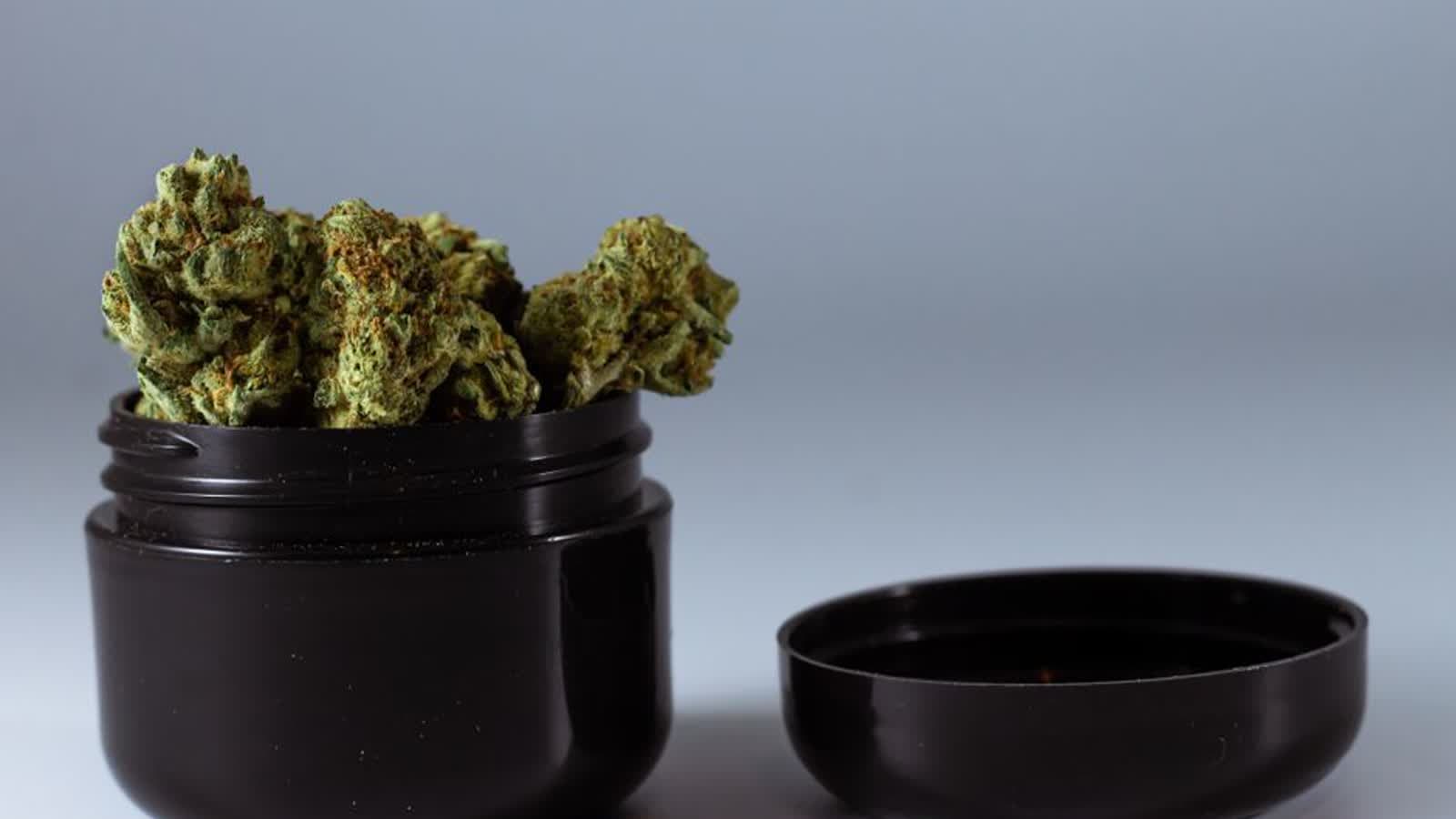
The Container Itself: Child-Resistant, Tamper-Evident, and Opaque
Before anything gets printed on a Minnesota cannabis package, the container has to clear a structural standard first. Under Minn. Stat. 342.62, subd. 2(a), cannabis flower, cannabis products, and lower-potency hemp edibles sold at retail must be prepackaged in packaging or a container that is child-resistant, tamper-evident, and opaque — or, if it wasn't already prepackaged that way, moved into that kind of packaging at the point of sale.
There's one narrow exception. Lower-potency hemp edibles sold as beverages don't have to be child-resistant under subd. 2(b), though they still have to meet the state's other packaging standards. Everything else — flower, edibles, concentrates, topicals — gets the full treatment: child-resistant, tamper-evident, opaque.
Opaque matters for one simple reason: it keeps the contents unidentifiable from outside the package. That's a plain compliance requirement, not a design flourish. It's also a separate question from what gets printed on the package, which falls under a different section of the same chapter — see our companion piece on how to read a cannabis product label in Minnesota for the printed information itself. Worth knowing too: lower-potency hemp edibles and adult-use cannabis products are regulated as distinct categories, which is part of why the beverage exemption applies to only one of them.
Multi-Serving Edibles: Resealable Packaging and Serving-Size Indicators
Edible products with more than one serving carry two additional requirements. Under Minn. Stat. 342.62, subd. 2(g), packaging for a multi-serving edible cannabinoid product must be resealable, so a partially used package can be closed again instead of left open between uses.
Subd. 2(c) adds a second rule. A package with more than one serving needs scoring, wrapping, or some other indicator that marks the individual serving size — the point being that a person can find a single serving without a scale or any other measuring device.
These packaging rules track directly with the state's per-package cannabinoid limits: non-beverage edible products top out at 50 mg total THC and 1,000 mg combined CBD/CBG/CBN/CBC per package, while beverage products cap at 10 mg THC and 200 mg combined cannabinoids. For the full breakdown by product type, see Minnesota's THC potency caps for edibles and beverages, by category.
The Universal Symbol: What It Means and Where It Goes
Separate from the container rules, Minn. Stat. 342.63 governs what has to be printed on the label. Every package must display a universal symbol established by the Office of Cannabis Management, showing that the package contains cannabis flower, a cannabis product, a lower-potency hemp edible, or a hemp-derived consumer product.
That symbol has a name: the International Intoxicating Cannabinoid Product Symbol, or IICPS. Minnesota Rules 9810.1400 sets the minimum size at 0.5 inch by 0.5 inch, with "THC" printed underneath. It has to sit on the marketing layer of the package — the outermost layer a shopper actually sees — positioned so it's easy to read, not tucked into a corner.
This is a different mark from the separate 21+ age-restriction symbol OCM also publishes for retailers to use in signage and other materials. The IICPS is specifically the one required on product packaging itself.
The Warning Symbol and the Minnesota Poison Control Number
Alongside the universal symbol, Minn. Stat. 342.63 requires a second, separate warning symbol. OCM developed it in consultation with the commissioner of health and the Minnesota Poison Control System. Minnesota Rules 9810.1400 gets specific: at least 0.75 inch tall by 0.6 inch wide, yellow background, black text, a red stop-related graphic element, white text.
The symbol has to include the phone number for the Minnesota Poison Control System and signal that the product should be kept away from children. This is a distinct requirement from the universal symbol — packaging needs both, not one or the other.
The Required Warning Statement
Beyond the two symbols, Minnesota Rules 9810.1400 requires an exact printed statement, in a minimum 6-point font: "Keep this product out of reach of children. This product may be unlawful outside the state of Minnesota."
That statement sits alongside the symbols, not in place of them. A compliant label carries all three: the universal symbol, the warning symbol with the poison control number, and this printed statement.
What's Prohibited: Look-Alike and Minor-Appealing Packaging
The statute also spells out what packaging can't do. Under Minn. Stat. 342.62, subd. 3(a), packaging can't bear a reasonable resemblance to any commercially available product that doesn't contain cannabinoids, and it can't be designed in any way to appeal to people under 21. Subd. 4 goes further still, prohibiting the sale of empty packaging that would itself violate these requirements if it contained product.
Minnesota Rules 9810.1400 layers material-safety standards on top of the design rules: packaging can't contain or be coated with any perfluoroalkyl substance (PFAS), can't expose the product to toxic or harmful substances, and has to be built to maximize the product's shelf life. Labels must also carry the batch number assigned to the product in the state's monitoring system, tying every package back to seed-to-sale tracking.
Frequently Asked Questions
Does Minnesota require child-resistant packaging on every cannabis product?
Yes, with one narrow exception. Under Minn. Stat. 342.62, subd. 2, cannabis flower, cannabis products, and lower-potency hemp edibles sold at retail must be prepackaged in packaging that's child-resistant, tamper-evident, and opaque, or placed into such packaging at the point of sale. The exception is lower-potency hemp edibles sold as beverages — they're not required to be child-resistant, though they still have to meet the state's other packaging and labeling rules.
What is the universal symbol on Minnesota cannabis packaging?
It's the International Intoxicating Cannabinoid Product Symbol (IICPS), a mark the Office of Cannabis Management requires under Minn. Stat. 342.63 on every package containing cannabis flower, a cannabis product, a lower-potency hemp edible, or a hemp-derived consumer product. Minnesota Rules 9810.1400 sets the minimum size at 0.5 inch by 0.5 inch, with "THC" printed underneath.
Why is there a poison control number on the packaging?
Because state rule requires it. Minn. Stat. 342.63 and Minnesota Rules 9810.1400 require a separate warning symbol — at least 0.75 inch tall by 0.6 inch wide, yellow background, red stop-related graphic — that includes the phone number for the Minnesota Poison Control System. It's paired with the printed statement "Keep this product out of reach of children," so anyone who finds an unattended package, including a child or a caregiver, has an immediate resource if there's accidental exposure.
Conclusion
Minnesota's cannabis packaging rules work on two layers. One is the container itself: child-resistant, tamper-evident, opaque, and resealable when more than one serving is involved. The other is what's printed on it — the universal symbol, the separate warning symbol with the poison control number, and the required warning statement, all sized and worded exactly as state rule specifies. Together, that's what makes a package compliant before it ever reaches the shelf.
For the information printed on the label itself — cannabinoid content, testing results, batch numbers, and what those figures mean — see our companion guide on how to read a cannabis product label in Minnesota.
For adults 21 and older only. Cannabis products have not been analyzed or approved by the FDA and are not intended to diagnose, treat, cure, or prevent any disease. Keep out of reach of children. Do not operate a vehicle or machinery after use. This article is general information about products sold in Minnesota, not medical advice; talk to a licensed clinician about your health.