Growing Cannabis at Home in Minnesota: The Eight-Plant Rule, Explained
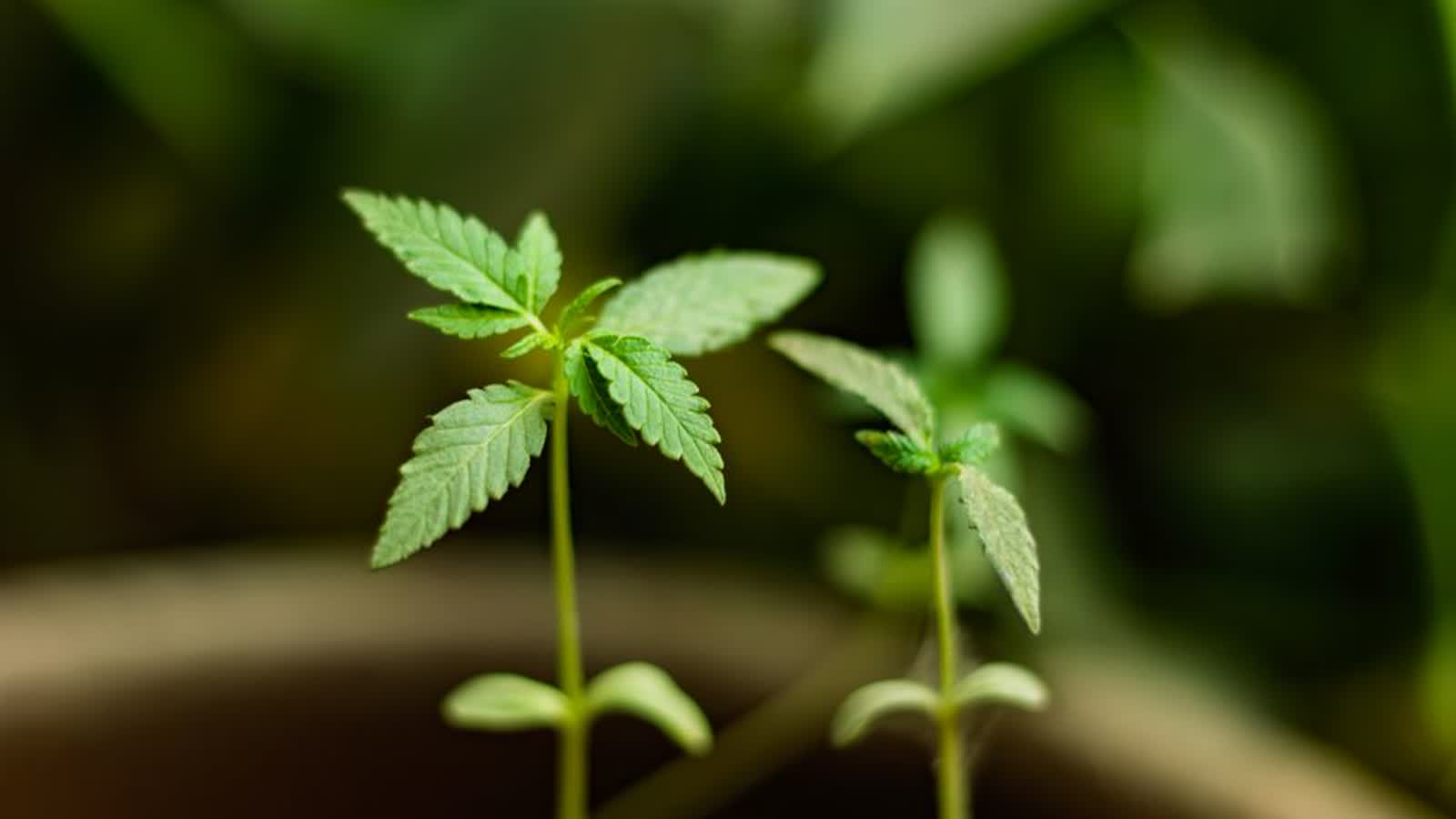
Minnesota is one of the few states where an adult can legally grow cannabis at home, and the headline number is easy to remember: eight plants. What trips people up is the number sitting right behind it. The law doesn't just cap you at eight plants and call it done. It also caps how many of those eight can be mature and flowering at once, and it sets rules for where and how you're allowed to grow them in the first place.
The gap between "technically legal" and "accidentally over the limit" is narrower than most people assume. Here's what Minn. Stat. 342.09 actually says: the plant count, the location and security requirements, what happens if you exceed either one, and how the rule shifts if you're a registered caregiver for a medical cannabis patient.
The Eight-Plant Rule, Explained
Total plants vs. mature, flowering plants
Under Minn. Stat. 342.09, subd. 2, an adult may grow up to eight cannabis plants at a single residence without a cultivation license. Of those eight, no more than four may be mature, flowering plants at any one time. The rest of the count — seedlings, clones, or vegetative plants that haven't started flowering — can fill out the remaining slots.
In practice, that means a grower could have four mature, flowering plants and four younger ones staggered behind them. That staggered approach is how a lot of home growers keep a rotating supply going without breaking either number. What the statute doesn't allow is eight plants flowering all at once.
Who the rule applies to
The allowance is limited to adults 21 years of age or older, growing at their own primary residence. No cultivation license is required at this scale. Go above eight plants, or above four mature, flowering plants, and you're outside the personal-use allowance and into licensed-cultivator territory.
Where and How You're Allowed to Grow
Enclosed, locked, not open to public view
The statute gets specific about the growing space itself: plants must sit in an enclosed, locked space that is not open to public view. A spare room with a lock, a grow tent that closes and latches, a locked cabinet, or a fenced and locked outdoor area out of sightline from the street would all fit that description. A plant visible from the sidewalk, or growing in an open, unlocked yard, would not.
Primary residence and curtilage
Cultivation has to happen at your primary residence, and the curtilage — the yard and structures immediately attached to or surrounding the home — counts as part of it. The Office of Cannabis Management also draws a line between the grow space and how you store finished product. Once cannabis is harvested, it should go into child-resistant, clearly labeled, locked storage, separate from the plants themselves. A locked storage container or cabinet covers both needs, and it's better to have one ready before your first harvest than to scramble for one after. Take a look at the grow and storage accessories the store carries if you're setting this up for the first time.
What Happens If You Grow More Than the Limit
The Office of Cannabis Management can assess a civil penalty of up to $500 for each plant grown beyond the eight-plant total, or beyond the four-mature-flowering-plant limit, by someone who doesn't hold a cultivation license. That penalty applies per plant, not per violation, so the number adds up fast if a grow gets away from you.
This is a separate question from how much cannabis you're allowed to possess once it's harvested. That's covered by its own set of limits in our possession limits explainer. A grower who stays within the plant count can still run into a possession-limit issue if they're sitting on more finished product than the law allows.
One more thing: cannabis law in Minnesota has changed more than once since adult-use legalization took effect, and the office that administers it can update guidance. Treat the figures above as current as of this writing, confirmed against the statute text directly — not as permanent.
How the Rule Differs for Registered Caregivers
Registered designated caregivers assisting a medical cannabis patient work under a different, higher allowance. A caregiver may grow up to eight plants for the patient's use, plus up to eight more for their own personal adult use — a combined household total of 16 plants. Even at that higher total, no more than eight of the 16 may be mature, flowering plants at once, per Minn. Stat. 342.09.
This distinction is administrative, not medical. It describes who's registered to grow a larger count and under what plant-count structure, not what cannabis does for a patient. Questions about a specific patient's treatment plan belong with a licensed clinician, not a plant-count statute.
Sourcing Seeds the Legal Way
Once home cultivation became legal on Aug. 1, 2023, licensed Minnesota retailers moved fast to fill the gap between "you can grow now" and "here's how to start." Businesses like St. Paul's Grounded Gardens began selling seeds and hosting growing lessons for residents who wanted to use their new home-grow allowance but didn't already know how to start a plant from seed. Buying from a licensed source is the straightforward way to begin a legal grow, rather than sourcing plant material from an unknown origin.
Frequently Asked Questions
How many cannabis plants can I legally grow at home in Minnesota?
Up to eight cannabis plants per residence under Minn. Stat. 342.09, subd. 2. No more than four of those eight can be mature, flowering plants at the same time. The plants must be at your primary residence, in an enclosed, locked space that is not open to public view.
Do all eight plants have to be mature, flowering plants?
No. The eight-plant figure is a total count. Of those eight, a maximum of four may be mature and flowering at once; the rest can be seedlings, clones, or vegetative (non-flowering) plants. This distinction is what the statute actually limits, not the total plant count alone.
What happens if I grow more than the plant limit?
The Office of Cannabis Management can assess a civil penalty of up to $500 for each plant grown beyond the eight-plant limit, or beyond the four-mature-flowering-plant limit, by someone without a cultivation license.
Do the rules change if I'm a registered caregiver for a medical cannabis patient?
Yes. A registered designated caregiver may grow up to eight plants for the patient's use plus up to eight more for personal adult use, for a household total of 16 plants. Even at that higher total, no more than eight may be mature, flowering plants at once.
The Bottom Line
Minnesota's home-grow allowance comes down to two numbers and two conditions: eight plants total, four of them mature and flowering at most, grown by someone 21 or older at their primary residence, in a space that's enclosed, locked, and out of public view. Go over either plant count and you're looking at a per-plant civil penalty. The rules for registered caregivers are higher but built the same way.
Rules like this one get updated by the legislature or the Office of Cannabis Management from time to time, so check the current statute text yourself before you plan a grow. And if you're building a fuller picture of what's legal in Minnesota, our possession limits and ID and age rule articles cover the two questions that come up right alongside this one.
For adults 21 and older only. Cannabis products have not been analyzed or approved by the FDA and are not intended to diagnose, treat, cure, or prevent any disease. Keep out of reach of children. Do not operate a vehicle or machinery after use. This article is general information about products sold in Minnesota, not medical advice; talk to a licensed clinician about your health.
About the author
Brittney
Brittney writes the 5D Dispensary guides on Minnesota cannabis rules, labels and lab testing, from the store in East Bethel, MN.