Cómo leer la etiqueta de un producto de cannabis en Minnesota
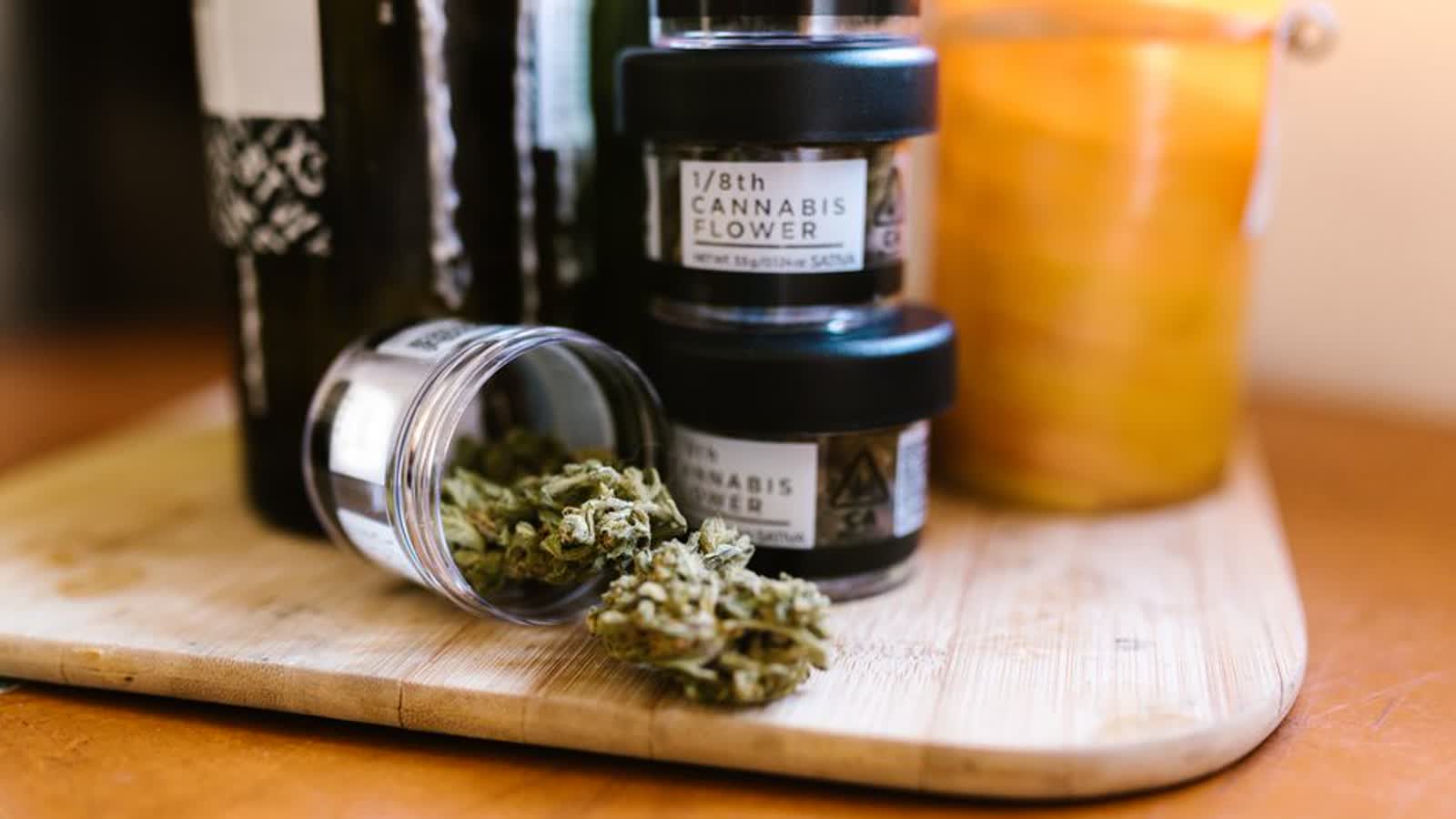
Todo producto en el estante de un dispensario de Minnesota lleva una etiqueta que exige el estado, y la mayor parte se puede leer en menos de un minuto una vez que conoces sus partes. La etiqueta es el único documento que es igual para todos los compradores: está redactada conforme a un estatuto, está vinculada a un lote analizado y no cambia según quién esté detrás del mostrador. Esta guía, escrita para adultos de 21 años o más, repasa los elementos obligatorios línea por línea, explica cómo leer un perfil de cannabinoides y muestra cómo el número de lote se conecta con una prueba de laboratorio real que tienes derecho a solicitar. Si tienes alguna pregunta sobre la tienda en sí, nuestras preguntas frecuentes de la tienda cubren el horario, la identificación y los métodos de pago.
Las partes de una etiqueta de cannabis en Minnesota
Minnesota establece el contenido de la etiqueta en el Minn. Stat. 342.63. Para los productos de cannabis y los comestibles (subdivisión 3), la etiqueta debe mostrar:
- Los nombres y números de licencia del cultivador y del fabricante
- El peso neto o el volumen
- El tipo de producto
- El número de lote
- El tamaño de la porción
- El perfil de cannabinoides, tanto por porción como en total
- Una lista de ingredientes
- El símbolo universal del cannabis establecido por la Oficina de Gestión del Cannabis (Office of Cannabis Management)
- Un símbolo de advertencia que incluye el número del Centro de Control de Envenenamientos de Minnesota (Minnesota Poison Control)
- La verificación de que el producto fue analizado según la sección 342.61
- Información de uso
- La declaración "Keep this product out of reach of children." ("Mantener este producto fuera del alcance de los niños".)
La flor de cannabis y las partes de la planta de cáñamo usan una lista más corta (subdivisión 2): nombre y número de licencia del cultivador, peso neto, número de lote, perfil de cannabinoides, símbolo universal, verificación de análisis, información de uso y la misma advertencia sobre los niños. La flor no tiene tamaño de porción ni lista de ingredientes porque es un producto agrícola único, no uno formulado.
Hay una pieza más que está fuera del paquete. Según la subdivisión 6, los minoristas deben poner a disposición información para el consumidor que cubra la alteración de las facultades, los efectos secundarios, los riesgos para la salud, las advertencias sobre vehículos motorizados, los recursos de tratamiento y el contacto del centro de control de envenenamientos. Puede estar en la etiqueta, publicada en la tienda o en un folleto aparte. Pídela en el mostrador. Es parte de lo que ofrece un minorista con licencia.
Cómo leer el perfil de cannabinoides
Porcentaje en peso o miligramos por porción
"Perfil de cannabinoides" es un término definido. Según el Minn. Stat. 342.01, subd. 13, significa la cantidad de cada cannabinoide en el producto, expresada de dos maneras: como un porcentaje medido por peso, y como miligramos en cada porción y en el paquete completo.
En la práctica, la flor se lee por porcentaje. Una etiqueta que dice 22% de THC describe la concentración por peso. Los comestibles y las bebidas se leen en miligramos, porque una porción es una unidad definida: 5 mg de THC por gomita, 50 mg por paquete. Ambas cifras provienen de la misma prueba de laboratorio, y el estatuto exige las cifras por porción y totales en los productos que tienen porciones.
A menudo verás dos líneas de THC. El THCA es la forma ácida que se encuentra en el material vegetal crudo; se convierte en THC al calentarse. Algunas etiquetas indican el THCA y el THC delta 9 por separado, y otras indican una cifra de "THC Total" que tiene en cuenta esa conversión. Las tres son convenciones de etiquetado para la misma química. Cuando compares dos productos de flor, compara la misma línea en cada etiqueta.
Las dos categorías en el mismo estante
No toda gomita es el mismo tipo de producto según la ley de Minnesota, y los números lo demuestran. Un comestible de cáñamo de baja potencia tiene un límite de 5 miligramos de THC delta 9 por porción, o de 10 miligramos en un solo envase en el caso de las bebidas, con límites también para otros cannabinoides (Minn. Stat. 342.01, subd. 50). Los productos de cannabis para adultos son una categoría legal distinta con sus propias reglas. La línea de "tipo de producto" en la etiqueta es la forma de saber a qué categoría pertenece lo que tienes en la mano, y explica por qué dos productos que se ven iguales pueden llevar números muy diferentes.
Tamaño de la porción y porciones por paquete
La etiqueta indica un tamaño de porción y el número de porciones, y el perfil de cannabinoides debe aparecer tanto por porción como en total. Esas cifras deben cuadrar: el número de porciones multiplicado por los miligramos por porción debe coincidir con el total del paquete. Cuando compares dos productos, primero relaciona la línea de miligramos por porción con la línea del tamaño de la porción, y luego compara. Una porción de 10 mg que es media pieza no es lo mismo que una porción de 10 mg que es una pieza entera.
La etiqueta te dice qué es una porción. No te dice qué es lo adecuado para ti. Esa pregunta le corresponde a un profesional clínico con licencia, no a un paquete ni a un artículo de blog.
El número de lote y la prueba que lo respalda
El número de lote es la línea más útil de la etiqueta, porque remite a un documento. Según el Minn. Stat. 342.61, un negocio de cannabis no puede vender un producto hasta que un laboratorio de pruebas de cannabis con licencia haya analizado una muestra representativa del lote y el lote cumpla con los estándares del estado. Esos estándares cubren solventes residuales, materia extraña, contaminantes microbiológicos, metales pesados, residuos de pesticidas y micotoxinas, además de la potencia y la homogeneidad, para que el perfil de cannabinoides pueda etiquetarse con precisión (subdivisiones 1, 3 y 4).
Esa prueba genera un certificado de análisis, y tienes derecho a verlo. La subdivisión 5 exige que los negocios de cannabis pongan los resultados de las pruebas a disposición de cualquier persona del público que los solicite, en lenguaje sencillo, y que conserven los registros durante cinco años. Preguntar "¿Puedo ver el certificado de análisis de este lote?" es algo normal en el mostrador, y el número de lote de tu paquete es lo que usa el personal para encontrarlo.
Algo que debes saber al leer un certificado: la cifra de cannabinoides de la etiqueta es un valor analizado con una tolerancia, no una promesa exacta hasta el último decimal. Los estándares de pruebas de la Oficina de Gestión del Cannabis permiten que el contenido medido de un cannabinoide etiquetado varíe dentro de una tolerancia establecida respecto a lo declarado en la etiqueta, que la oficina reporta como 15 por ciento. Una etiqueta que dice 20% y un certificado que dice 19.1% describen el mismo producto en cumplimiento.
Los símbolos y la advertencia
El estatuto exige dos gráficos. El símbolo universal del cannabis es un diseño establecido por la Oficina de Gestión del Cannabis que aparece en todo producto regulado para que pueda reconocerse a simple vista. El símbolo de advertencia de los productos de cannabis tiene un tamaño especificado, de aproximadamente tres cuartos de pulgada de alto por tres quintos de pulgada de ancho, en un color muy visible, e incorpora un elemento visual relacionado con la señal de alto, la advertencia sobre los niños y el número del Centro de Control de Envenenamientos de Minnesota (Minn. Stat. 342.63, subd. 3). Junto a ellos, la etiqueta lleva la frase que el estatuto exige textualmente: "Keep this product out of reach of children." ("Mantener este producto fuera del alcance de los niños".)
Lo que la etiqueta no te dirá
La etiqueta te dice qué es el producto, cuánto contiene de cada cannabinoide, que fue analizado y quién lo fabricó. No te dice qué hará el producto por ti, y este artículo tampoco; esa es una conversación para tener con un profesional clínico con licencia. Si quieres explorar tipos de productos y perfiles de cannabinoides antes de visitarnos, empieza en nuestra página de inicio, lee las preguntas frecuentes de la tienda y trae tus preguntas al mostrador. Todo en la tienda es para adultos de 21 años o más.
Preguntas frecuentes
¿Qué debe incluir la etiqueta de un producto de cannabis en Minnesota?
Según el Minn. Stat. 342.63, la etiqueta de un producto de cannabis debe mostrar los nombres y números de licencia del cultivador y del fabricante, el peso neto o el volumen, el tipo de producto, el número de lote, el tamaño de la porción, el perfil de cannabinoides por porción y en total, una lista de ingredientes, el símbolo universal del cannabis, un símbolo de advertencia con el número del Centro de Control de Envenenamientos de Minnesota, la verificación de análisis, información de uso y la declaración "Keep this product out of reach of children." ("Mantener este producto fuera del alcance de los niños".)
¿Qué es un perfil de cannabinoides?
La ley de Minnesota lo define como la cantidad de cada cannabinoide en el producto, expresada de dos maneras: como porcentaje en peso y como miligramos por porción y por paquete. La flor suele leerse por porcentaje; los comestibles y las bebidas suelen leerse en miligramos.
¿Puedo ver los resultados de laboratorio de un producto?
Sí. El Minn. Stat. 342.61 exige que los negocios de cannabis pongan los resultados de las pruebas a disposición de cualquier persona del público que los solicite, en lenguaje sencillo. Pídele a un budtender el certificado de análisis del número de lote que aparece en tu paquete.
¿Por qué dos gomitas tienen números de THC tan diferentes?
Pueden pertenecer a categorías de productos diferentes. Un comestible de cáñamo de baja potencia tiene un límite de 5 mg de THC delta 9 por porción según el Minn. Stat. 342.01, mientras que los comestibles de cannabis para adultos son una categoría distinta con sus propios límites. La línea del tipo de producto en la etiqueta te indica cuál tienes en la mano.
Seis líneas que leer
Números de licencia, número de lote, perfil de cannabinoides, tamaño de la porción, los dos símbolos y la verificación de análisis. Lee esas y habrás leído la etiqueta. Todo lo demás en el paquete es la lista de ingredientes o la información de uso, y vale la pena revisar ambas, pero las seis líneas anteriores son las que hacen que un producto de Minnesota se pueda comparar con otro.
Solo para adultos de 21 años o más. Los productos de cannabis no han sido analizados ni aprobados por la FDA y no están destinados a diagnosticar, tratar, curar ni prevenir ninguna enfermedad. Manténgase fuera del alcance de los niños. No opere vehículos ni maquinaria después de consumir. Este artículo es información general sobre productos vendidos en Minnesota, no asesoría médica; consulte a un profesional clínico con licencia sobre su salud.
Sobre la autora
Brittney
Brittney escribe las guías de 5D Dispensary sobre las reglas del cannabis en Minnesota, las etiquetas y las pruebas de laboratorio, desde la tienda en East Bethel, MN.