Cannabis Certificate of Analysis, Explained: What It Contains and How to Read One
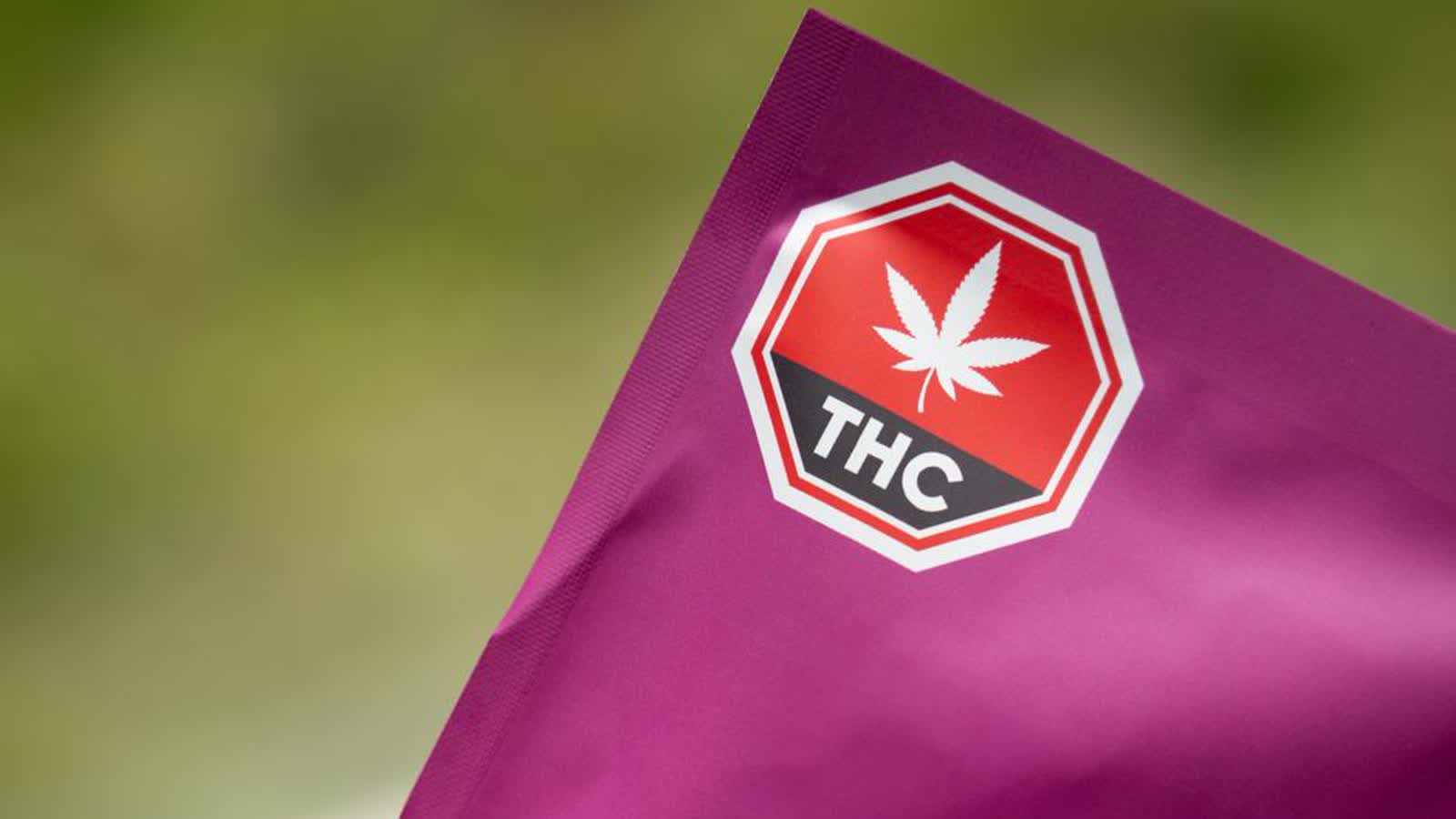
Every cannabis product on a Minnesota shelf carries a number on its label — a THC percentage, a batch code, a QR square. Behind that number sits a document called a certificate of analysis. Minnesota law requires a batch to pass laboratory testing before it can be sold, and it gives you the right to see the results yourself, in plain language, on request.
Here's a walkthrough of that document: what a certificate of analysis (COA) actually reports, how the potency and contaminant panels are organized, what the pass/fail line means, and where to find one for a product you're looking at.
What a Certificate of Analysis Is and Why It Exists
Under Minn. Stat. 342.61, a cannabis or hemp business can't sell or transfer a batch until a representative sample has been tested and meets the state's standards. Once a sample passes, the testing facility issues the certificate that lets the business put that batch up for sale. For a look at how the sample gets from the batch to the lab bench, see how cannabis is lab tested in Minnesota.
The COA isn't a courtesy handout. Businesses must keep test results on file for at least five years, and the statute requires that results made available to the public be written in plain language rather than lab jargon. That's a legal access right, not a marketing choice.
The Cannabinoid (Potency) Panel
The potency section lists the concentration of each cannabinoid the lab tested for — commonly THC, THCA, CBD, and related compounds — as a percentage or milligram figure. This is where the label's percentage comes from, and it's what lets you compare one batch of flower or one edible against another on a like-for-like basis. For how those figures relate to Minnesota's legal caps by product type, see Minnesota's THC potency caps for edibles and beverages, by category.
Read the potency panel as a measurement, not a prediction. It tells you what's in the product and how much, verified by an independent, state-licensed lab. It doesn't say anything about how a product will affect a given person — that depends on far more than a lab number, and it's a question for a licensed clinician, not a label.
The Contaminant Panels
Alongside potency, Minnesota's testing standards require every batch to be screened across five more categories: microbial contaminants, mycotoxins, heavy metals, pesticides, and residual solvents. Each category gets its own section on the COA, usually listing the specific compound tested, the result, and the regulatory limit it's measured against.
A "pass" in a contaminant panel means the result was at or under the limit set in the state's technical standards, not necessarily that nothing at all was detected. Labs report results down to a limit of detection, so a very small, below-threshold trace can still show up as a number rather than a blank. That's expected, and it's part of how the test is designed to work.
Sample and Batch Identifiers, Dates, and Test Methods
The top of a COA is mostly bookkeeping, and it matters for matching the document to the product in front of you. Look for the batch number first — it should match the batch code on the package label. Then check the sample or matrix type (dried flower, a composite sample, a remediated batch, and so on), the dates the sample was prepared and analyzed, and the identity of the test method used for each result.
Most COAs also report a measurement uncertainty alongside each figure, plus limits of detection and limits of quantitation. In plain terms: every lab measurement has a margin of error, and the document is required to say what that margin is rather than presenting a single number as if it were exact down to the decimal.
The Pass/Fail Line and What Happens to a Failed Batch
Near the bottom of the document is a single pass/fail determination, usually paired with a disclaimer that the panel tested for specific contaminants and doesn't represent a test for every conceivable hazard. That disclaimer is standard across Minnesota COAs — not a red flag on any one product.
A batch that fails isn't sold. Under the Office of Cannabis Management's process, a failed batch gets routed to destruction, remediation, or retesting, and it only reaches a shelf if a later test passes. If you see a product for sale, the batch behind it has a passing COA on file by law.
How to Find a Product's COA at 5D Dispensary
Minnesota labeling rules require every product label to verify that its batch was tested under Minn. Stat. 342.63 and complies with the applicable standards, and most labels carry a QR code that links straight to the report. See how to read a cannabis product label for where that code sits on the package. Would rather not scan anything? Ask at the counter, or check our lab results page directly.
Frequently Asked Questions
Is a certificate of analysis the same thing as a product label?
No. The label is a summary printed on the package; the certificate of analysis is the full lab report behind it. Minnesota law requires the label to verify the batch was tested and passed under Minn. Stat. 342.61, and the COA is the underlying document with the actual measurements.
Where can I see a product's COA at 5D Dispensary?
Ask a budtender at the counter, scan the QR code on the product's packaging, or check our lab results page. Minnesota law requires businesses to make test results available to the public on request, in plain language.
What does it mean if a batch fails testing?
A failed batch can't be sold. It's routed into a Minnesota Office of Cannabis Management process — destruction, remediation, or retesting — and only reaches the shelf if a later test passes.
The Takeaway
A certificate of analysis is the verified paper trail behind every number printed on a Minnesota cannabis label: what's in the product, how much, and confirmation that it was screened for contaminants by an independent, state-licensed lab. It's a public document by law, not a formality — worth a look the next time a QR code is sitting right there on the package. Pair it with our guide to reading a cannabis product label and the lab results page before your next visit.
For adults 21 and older only. Cannabis products have not been analyzed or approved by the FDA and are not intended to diagnose, treat, cure, or prevent any disease. Keep out of reach of children. Do not operate a vehicle or machinery after use. This article is general information about products sold in Minnesota, not medical advice; talk to a licensed clinician about your health.