How Cannabis Is Lab Tested in Minnesota, and What Each Test Screens For
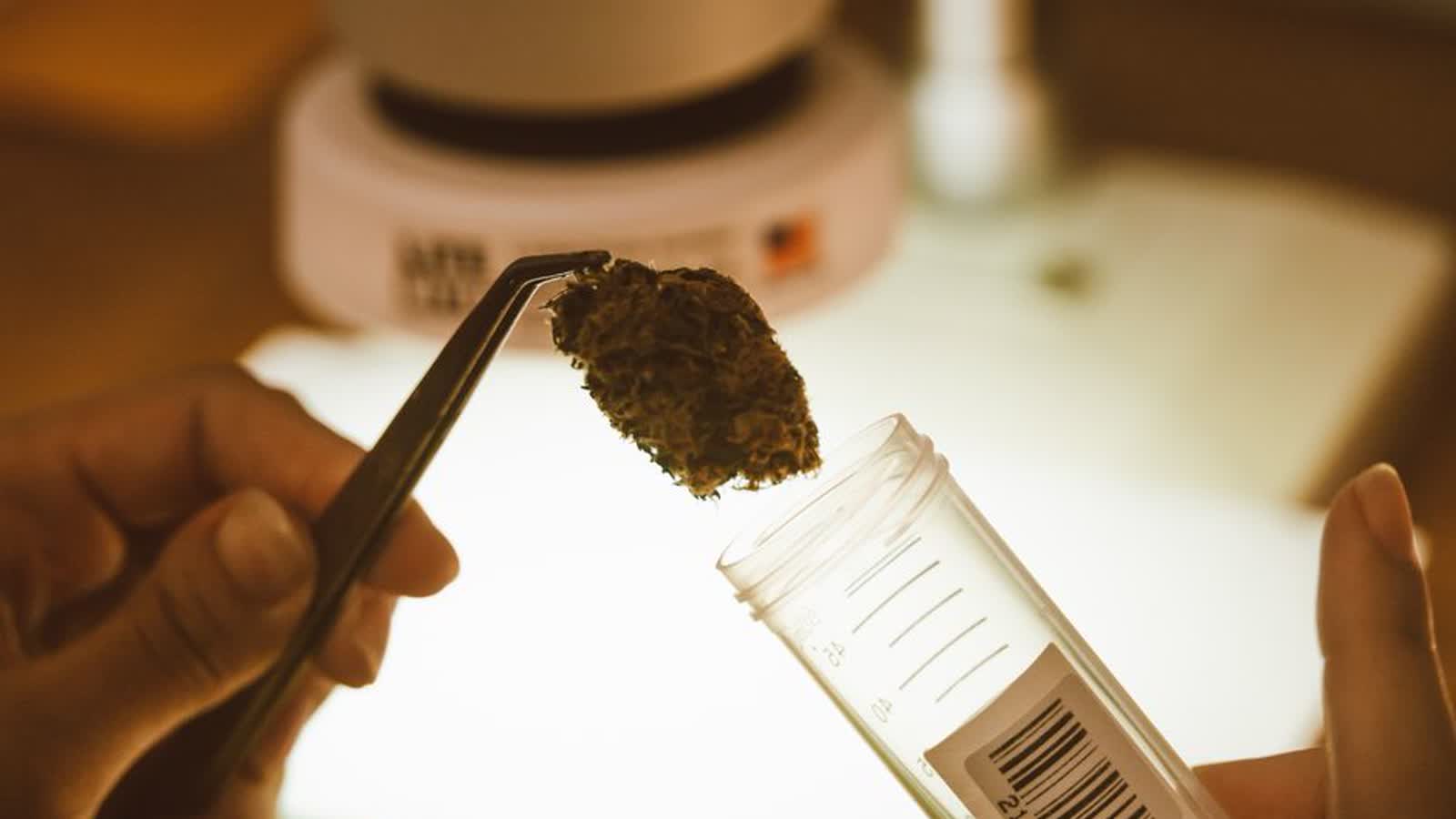
Every package on our shelf carries a batch number. That number is tied to a lab report. Cannabis lab testing in Minnesota isn't a marketing claim — it's a statutory requirement under Minn. Stat. 342.61, and the results behind every batch are public record. So what does the testing actually cover? Which contaminants get screened, how potency and homogeneity get measured, how samples move from the growroom to a lab bench, and what happens when a batch doesn't pass — that's what follows.
What "Lab Tested" Means Under Minnesota Law
Under Minn. Stat. 342.61, every cannabis business has to send a representative sample of each batch to a licensed testing facility before that batch reaches a retail shelf. The law splits the requirement into two categories. One is contaminant screening, which checks that nothing unsafe made it into the product. The other is potency and homogeneity testing, confirming the cannabinoid content actually matches what the label claims. Clear both, or the product doesn't get sold — it's that simple.
Only a licensed cannabis testing facility can run this testing. There's one narrow, temporary exception: lower-potency hemp edibles could use an ISO/IEC 17025-accredited lab instead, but that path sunsets January 1, 2026. Beyond the testing itself, businesses have to keep results on file for at least five years and make them available to any member of the public on request — in plain language, not a raw lab printout. That's part of why a licensed retailer is required to do more than just stock shelves; testing compliance is baked into what the license depends on.
The Contaminant Panel: What Each Test Screens For
Minn. Stat. 342.61 lists six required contaminant screens. Minnesota Rule 9810.3100 spells out how each one actually gets run.
Residual solvents
Concentrates made with solvent-based extraction can retain trace amounts of whatever solvent was used in processing. This test confirms nothing remains above the limits the Office of Cannabis Management (OCM) sets.
Foreign material
Stems, seeds, packaging fragments — anything that isn't cannabis and shouldn't be in the finished product gets caught here.
Microbiological contaminants
Mold, bacteria, yeast: things that can develop during growing, drying, or storage if conditions aren't controlled.
Heavy metals
Cannabis plants pull metals readily from soil and water. Every batch gets checked for contamination that may have come from the growing medium or from processing equipment.
Pesticide residue
This screens for compounds not approved for use on cannabis, whether that's an approved product used incorrectly or an unapproved one altogether.
Mycotoxins
Certain mold species leave behind mycotoxins even after the mold itself is gone, which is why this gets tested separately from the general microbial panel.
If a business has disclosed using a specific pesticide, fertilizer, or solvent somewhere in cultivation or processing, the lab tests for that material too — on top of the standard six.
Potency and Homogeneity Testing
Separate from contaminant screening, every batch also gets tested for potency and homogeneity. Potency testing measures the actual THC and CBD content in the sample — that's where the percentages on the label come from. Homogeneity testing checks that the content is distributed evenly, so a gummy from the front of the batch has roughly the same cannabinoid content as one from the back, not just a number averaged across the whole thing.
This is the direct link between testing and the label you read at the counter. Minn. Stat. 342.63 requires every label to confirm the product was tested under 342.61 and complies with applicable standards, and to include the cannabinoid profile and batch number tracing back to that specific result. Want a walkthrough of what those numbers mean? See reading the cannabinoid profile on the label. And since potency testing is what those label numbers are built on, it's worth knowing Minnesota's potency caps for edibles and beverages before you buy.
How Samples Are Collected and Tracked
Minnesota Rule 9810.3100 spells out how a sample has to be collected and handled before it ever reaches a lab bench. Collection uses a random method that accounts for batch variability, statistical confidence, and precision. Nobody's just grabbing whatever's on top.
For most contaminant panels, the lab grinds the sample into a homogeneous composite before testing. Foreign matter, microbiological, and homogeneity testing are the exceptions — those use the sample as collected, since grinding would defeat the point. Every sample gets labeled with the product name, batch number, collection date, and the identity of the person who collected it, then sealed immediately in a way that shows if it's been tampered with. That chain of custody is what lets a batch number on a label trace all the way back to one specific, verifiable result.
What Happens When a Batch Fails
The OCM sets numeric acceptance criteria for each contaminant and product type by rule, and publishes an annual testing-thresholds report by July 1 identifying approved test methods and the specific limits that apply. A batch has to clear every one of those criteria to pass.
A batch that fails any required test doesn't just get sold anyway, and it doesn't quietly get retested until it happens to pass. It has to be destroyed or remediated under a plan the office approves. That's part of why the public disclosure rule matters in practice: a product on our shelf has a documented, passing result behind it, and you can ask to see it.
Frequently Asked Questions
What does "lab tested" mean for cannabis sold in Minnesota?
It means every batch was sent to a licensed testing facility and screened for the full list Minn. Stat. 342.61 requires: residual solvents, foreign material, microbiological contaminants, heavy metals, pesticide residue, mycotoxins, plus potency and homogeneity. A batch cannot legally reach a retail shelf without passing that panel, and the business must keep the results on file for five years.
What contaminants do labs screen for in Minnesota cannabis products?
Six required screens: residual solvents left over from processing, foreign material like stems or debris, microbiological contaminants such as mold or bacteria, heavy metals, pesticide residue, and mycotoxins. The Office of Cannabis Management sets the numeric acceptance criteria for each one and publishes them in an annual testing-thresholds report.
How can I see a product's actual lab results?
Minnesota law requires cannabis businesses to make test results available to any member of the public on request, in plain language rather than a raw lab report. Ask at the counter with the batch number from the label, or check your product's public lab results on our site.
Conclusion
Cannabis lab testing in Minnesota isn't a claim a business makes about its own product. It's a statutory floor, with a documented, publicly available result behind every batch that clears it. Next time you're in the store, bring the batch number from any label and ask to see your product's public lab results. It's your right under the law — and the fastest way to see exactly what you're buying.
For adults 21 and older only. Cannabis products have not been analyzed or approved by the FDA and are not intended to diagnose, treat, cure, or prevent any disease. Keep out of reach of children. Do not operate a vehicle or machinery after use. This article is general information about products sold in Minnesota, not medical advice; talk to a licensed clinician about your health.