What a Licensed Minnesota Cannabis Retailer Is Required to Do
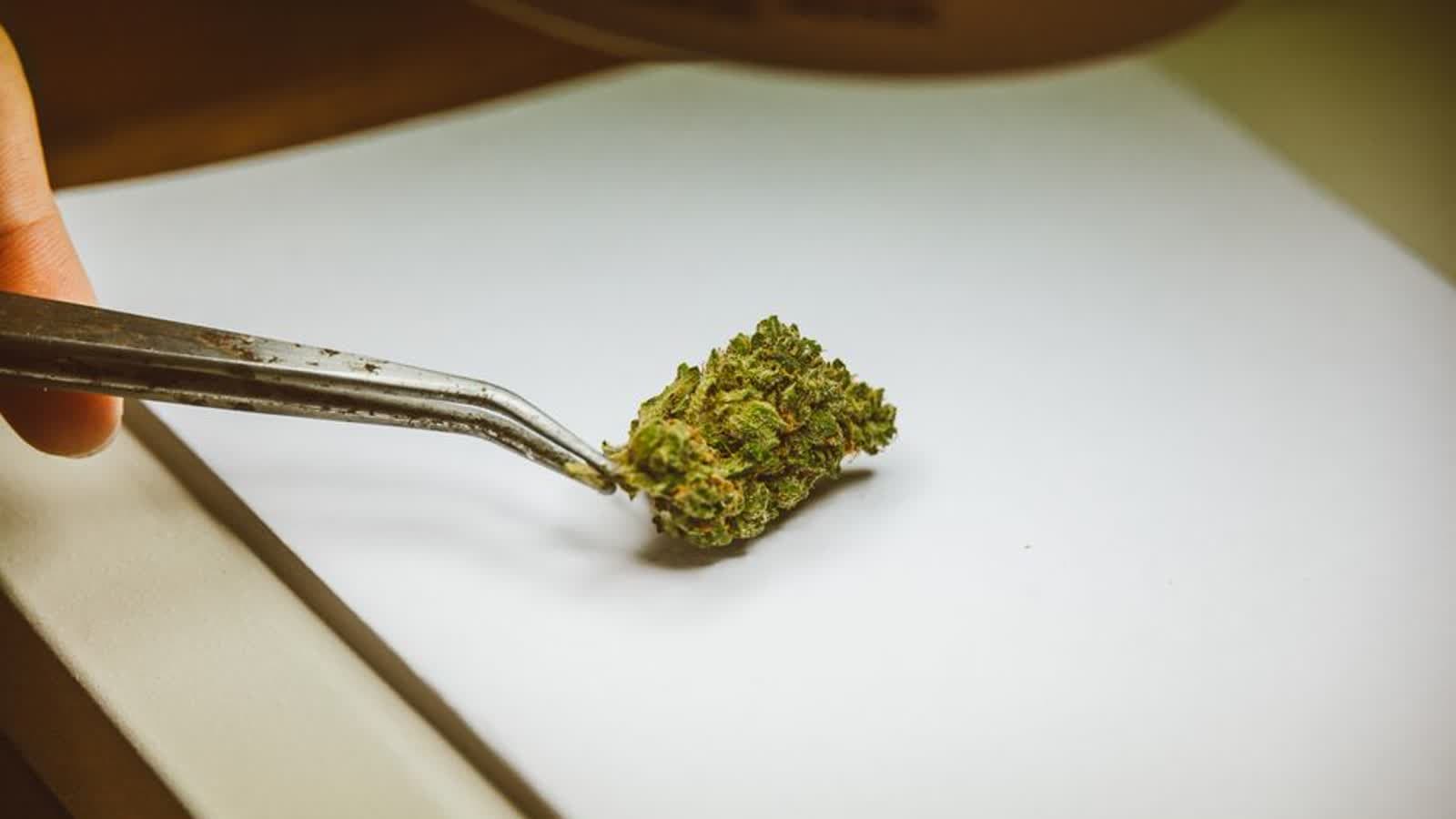
What makes a licensed Minnesota cannabis retailer different from an unlicensed one? Mostly, it's what the store is required to do, not what it stocks on the shelf. Minnesota law spells out how a store must verify age, how much it can sell in one transaction, what it's barred from doing at the counter, what it must post, and who it answers to. Below is a walkthrough of those requirements as written in Minn. Stat. 342.27, the section of Minnesota law governing retail sale of cannabis flower and cannabis products, plus the licensing rules from the Office of Cannabis Management.
Who Can Buy, and How the Store Verifies It
The age line is 21. Under Minn. Stat. 342.27, subd. 2, a licensed retailer may sell adult-use cannabis flower, cannabis products, and hemp-derived consumer products only to individuals who are at least 21 years old. That's not a store policy; it's the statutory floor for every sale.
Subdivision 4 sets out exactly which forms of ID a retailer can accept: a Minnesota or other state driver's license or state identification card, a tribal identification card, a United States passport, an instructional permit, or a foreign passport. If a retailer has reason to believe an ID has been altered or is fraudulent, it may retain it — but the law requires the retailer to deliver that ID to law enforcement within 24 hours. See what ID you need to buy cannabis in Minnesota for the full breakdown of acceptable ID and why the age line sits at 21.
What the Store Can Sell You in a Single Transaction
Every retail transaction has a ceiling. Minn. Stat. 342.27, subd. 2 caps a single purchase at up to two ounces of adult-use cannabis flower or hemp-derived consumer products made primarily of hemp plant parts, up to eight grams of adult-use cannabis concentrate or hemp-derived concentrate products, or edible cannabis products and lower-potency hemp edibles totaling up to 800 milligrams of THC.
Potency is capped separately, per serving and per package. Edible cannabis products can't contain more than 10 milligrams of THC per serving, and a single package can't contain more than 200 milligrams of THC total. Cannabis beverages are capped at 10 milligrams of THC per serving, with a maximum of two servings per container. These limits apply at the point of sale, no matter what a customer asks for. For the full possession-side picture, see Minnesota's purchase and possession limits, and for a category-by-category breakdown see Minnesota's THC potency caps for edibles and beverages.
What the Law Prohibits at the Counter
Subdivision 12 of the statute lists what a licensed retailer is not allowed to do, and the list is specific. No sales to a person who is visibly intoxicated. No knowingly letting a customer's purchase push them over the legal possession limit. No giving cannabis flower or cannabis products away for free.
The format of the sale is restricted too. A licensed retailer can't operate a drive-through window, and it can't use a vending machine to dispense cannabis flower or cannabis products. And if the store's required security system or the state's monitoring system isn't operational, the retailer is barred from making sales until it's back online. The point of these rules is that every sale happens through a verified, in-person, monitored transaction — not around one.
Postings, Hours, and the Building Itself
A licensed retailer has to post certain notices where customers can see them: notice of any product recalls, a statement that operating a motor vehicle under the influence of intoxicating cannabinoids is illegal, and a statement that its products are intended only for individuals 21 and older. This is required under subd. 6 of the statute.
Sale hours are fixed by law too. Subdivision 7 bars retail sales between 2:00 a.m. and 8:00 a.m. Monday through Saturday, and between 2:00 a.m. and 10:00 a.m. on Sunday, statewide. A city, town, or county can set a tighter window on top of that floor, so a store's actual posted hours can end up narrower than the state minimum.
The building itself is regulated too. Subdivisions 8 through 10 require the premises to meet state and local building, fire, and zoning codes; to be kept clean, sanitary, and free of pest infestation; to maintain the security measures set by the Office of Cannabis Management — video surveillance retention, specific locking mechanisms, secure entries, and minimum staffing; and to keep interior and exterior lighting functional and bright enough for the security cameras to work. Packaging is a related, separately regulated piece of this; see Minnesota's cannabis packaging requirements for what has to be true of the container before a product ever reaches the sales floor.
Licensing and Oversight Behind the Counter
A retail license from the Office of Cannabis Management is only one layer. Before making a single retail sale, a store also has to register separately with the city, town, or county where it operates. Local governments are required to run at least one compliance check on that registration every calendar year, and that check verifies age-verification procedures are actually being followed at the register — not just written down somewhere.
Ongoing licensure comes with its own obligations. Retailers are required to track inventory through the state's Metrc seed-to-sale system, from intake through sale, and to report material changes — a change in operations, location, or ownership — to the Office of Cannabis Management as they happen. A license that lapses on any of this is a license that no longer authorizes the store to sell.
Frequently Asked Questions
Can a Minnesota cannabis retailer sell to someone who is visibly intoxicated?
No. Minn. Stat. 342.27, subd. 12 prohibits a licensed retailer from selling cannabis flower or cannabis products to a person who is visibly intoxicated, regardless of age or ID status.
What IDs does a Minnesota dispensary accept to verify age?
Under Minn. Stat. 342.27, subd. 4, acceptable ID includes a Minnesota or other state driver's license or state ID, a tribal ID, a U.S. passport, an instructional permit, or a foreign passport. A retailer that suspects an ID is altered or fraudulent may retain it and must turn it over to law enforcement within 24 hours.
Can a dispensary have a drive-through or a vending machine?
No. Minn. Stat. 342.27, subd. 12 specifically bars licensed retailers from operating a drive-through window or using a vending machine to dispense cannabis flower or cannabis products.
Is a Minnesota state cannabis license the only approval a retailer needs?
No. In addition to the license issued by the Office of Cannabis Management, a retailer must separately register with the city, town, or county where the store is located before making retail sales, and local governments run at least one compliance check on that registration every calendar year.
Conclusion
A licensed Minnesota retailer's obligations come from statute, not marketing judgment. Verify age with an accepted ID. Keep every sale inside the transaction and potency limits. Refuse the specific sales the law prohibits. Post the required notices, keep hours inside the legal window, and maintain both a state license and a local registration in good standing. Rules under Minn. Stat. ch. 342 keep getting refined by the legislature and the Office of Cannabis Management, so a compliant store checks the current statutory text rather than relying on what was true last year.
For adults 21 and older only. Cannabis products have not been analyzed or approved by the FDA and are not intended to diagnose, treat, cure, or prevent any disease. Keep out of reach of children. Do not operate a vehicle or machinery after use. This article is general information about products sold in Minnesota, not medical advice; talk to a licensed clinician about your health.