Types of Cannabis Products Explained: Flower, Vapes, Edibles, and More
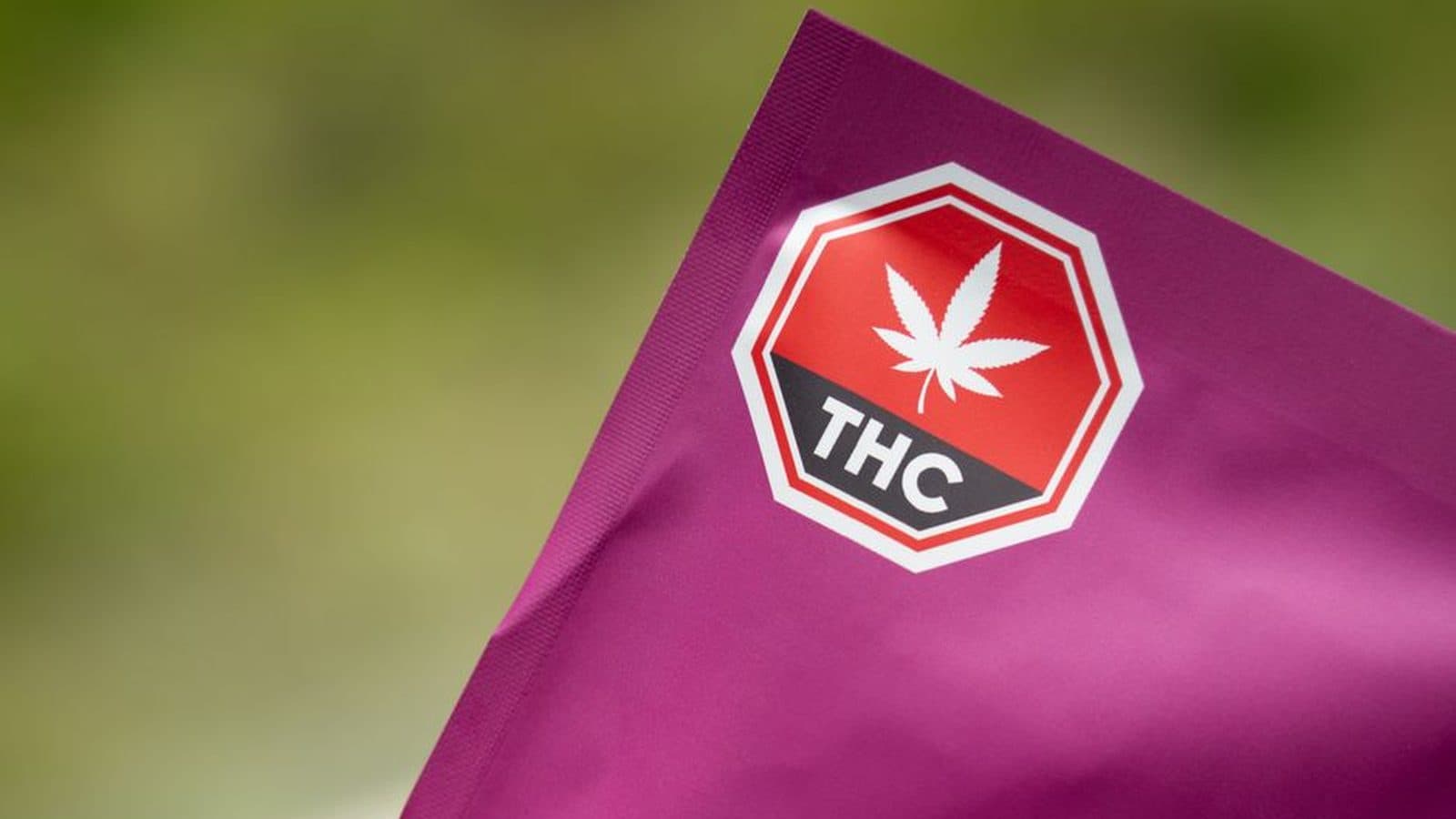
A dispensary menu can list flower, pre-rolls, edibles, beverages, tinctures, topicals, concentrates, and vapes side by side, with no indication of how those eight names relate to each other. They aren't eight unrelated categories. Minnesota law sorts them into a smaller set of statutory buckets, and which bucket a product falls into decides how it's measured, how much you can buy or carry, and what the label on the package has to show.
This guide walks through each format using the current text of Minnesota Statutes chapter 342, verified against revisor.mn.gov at the time of writing. First time sorting through a menu? Your first visit to a Minnesota dispensary covers the rest of the process.
Flower and Pre-Rolls: How They're Sold and Labeled
Cannabis flower is defined in statute as "the harvested flower, bud, leaves, and stems of a cannabis plant" (Minn. Stat. 342.01, subd. 16). Adults 21 and older may possess or transport up to 2 ounces of flower in a public place, and up to 2 pounds at a private residence (Office of Cannabis Management).
A pre-roll isn't a separate statutory category. It's cannabis flower rolled into paper, regulated, labeled, and counted toward the same possession limits as loose flower. There's no distinct "pre-roll" definition anywhere in chapter 342 — the format is just a packaging convenience for flower that's already been through testing and labeling.
You can browse the current flower and pre-roll selection to see how products in this category are weighed and priced.
Concentrates and Vapes: The 8-Gram Rule
Cannabis concentrate is defined as "the extracts and resins of a cannabis plant or cannabis flower," including refined extracts intended for consumption by combustion or vaporization (Minn. Stat. 342.01, subd. 15). That's why a vape cartridge isn't its own product category under Minnesota law — it's regulated as a concentrate.
Adult-use cannabis concentrate purchases are limited to 8 grams per transaction (Minn. Stat. 342.27, subd. 2(c)), and possession or transport is capped at the same 8 grams (Office of Cannabis Management). There's no separate, lower "vape limit." Whatever extract goes into a cartridge still counts against the 8-gram concentrate cap.
Edibles and Tinctures: The 10 mg / 200 mg Rule
Edible adult-use cannabis products — anything "intended to be eaten" — may not contain more than 10 milligrams of THC per serving, and a single package may not contain more than a total of 200 milligrams (Minn. Stat. 342.27, subd. 2(d)).
A tincture meant to be swallowed falls under this same rule. Minnesota statute doesn't define "tincture" as a category of its own; the format is regulated by how it's meant to be consumed, not by the dropper bottle it comes in.
Combined possession or transport of edible cannabis products and lower-potency hemp edibles is limited to 800 milligrams of THC or less (Office of Cannabis Management). On the retail floor, an edible display sample infused with more than 100 milligrams of THC can't be used, and any sample that is used must carry the same label information required on the product sold to customers (Minn. Stat. 342.27, subd. 5(b)).
Beverages: 10 mg Per Serving, Two Servings Per Container
Cannabis beverages get their own subdivision, separate from other edibles, because the packaging math works differently. A beverage intended to be consumed as a drink is capped at 10 milligrams of THC per serving — the same per-serving number as edibles — but a single beverage container may not contain more than two servings (Minn. Stat. 342.27, subd. 2(e)). That puts the maximum THC content of any one beverage container at 20 milligrams, regardless of the container's volume.
Topicals: Why There's No Milligram Cap
Hemp-derived topical products are a sellable category under Minn. Stat. 342.27, subd. 3(b), and their labels must show manufacturer and testing-lab contact information, net weight or volume, product type, an ingredient list, and the cannabinoid amount per serving and in total (Minn. Stat. 342.63, subd. 5).
What topicals don't have is a per-serving THC milligram cap like edibles and beverages do. The 10-mg caps in section 342.27 apply specifically to products meant to be eaten or drunk; a topical is applied to skin, not ingested, so the statute regulates it through labeling and testing disclosure rather than a serving limit.
Reading the Label: What Every Format Must Show
Label requirements scale with the product category. Flower and hemp plant parts must show the cultivator's name and license number, net weight, batch number, cannabinoid profile, a universal symbol indicating cannabis content, a "keep this product out of reach of children" statement, and usage information (Minn. Stat. 342.63, subd. 2).
Cannabis products — concentrates, edibles, beverages — carry all of that plus serving size, the cannabinoid profile per serving and in total, a full ingredient list, and a warning symbol at least 3/4 inch tall and 3/5 inch wide that includes the poison control number (Minn. Stat. 342.63, subd. 3). Every category's cannabinoid content has to be verified through testing before it ever reaches a label.
Want a field-by-field walkthrough of what's printed on a specific package? See how to read a cannabis product label, and check lab results for the certificate of analysis behind a specific product's numbers.
One more number worth knowing: a 15% cannabis gross receipts tax applies to retail sales of taxable cannabis products, effective on sales made after June 30, 2025 (Minn. Stat. 295.81). That tax applies across every format above and doesn't show up in the shelf price.
Frequently Asked Questions
Is a pre-roll a different product category than flower under Minnesota law?
No. Minnesota statute does not define "pre-roll" as its own category. A pre-roll is cannabis flower rolled into paper, so it is regulated, labeled, and counted toward possession limits the same way loose flower is (Minn. Stat. 342.01, 342.63).
Is a vape cartridge the same as a concentrate under Minnesota law?
Yes. Minnesota statute defines cannabis concentrate to include extracts intended for consumption by combustion or vaporization, so a vape cartridge is regulated as a concentrate: the 8-gram transaction and possession limit and concentrate labeling rules apply (Minn. Stat. 342.01, 342.27).
Why don't topicals have a milligram-per-serving limit like edibles do?
Minnesota's per-serving THC caps in Minn. Stat. 342.27 apply to products meant to be eaten or drunk. Hemp-derived topical products are regulated separately under Minn. Stat. 342.27, subd. 3(b) and labeled under 342.63, subd. 5, which require cannabinoid amounts per serving and in total but do not set the same ingestible serving cap.
Is a tincture treated as an edible under Minnesota law?
A tincture intended to be swallowed falls under the edible cannabis product rules in Minn. Stat. 342.27, subd. 2(d): no more than 10 mg of THC per serving and 200 mg per package. The statute does not define "tincture" as a separate category — the format is regulated by how it's intended to be consumed.
The Short Version
Eight product names on a menu reduce to four statutory buckets: flower (which covers pre-rolls), concentrate (which covers vapes), edible or beverage (which covers tinctures meant to be swallowed), and topical. Each bucket carries its own possession limit and its own required label fields, and every one of those numbers is set in Minnesota Statutes chapter 342 rather than by any individual retailer.
Knowing which bucket a product falls into tells you the unit it's sold in, the limit that applies to it, and what its label is legally required to disclose. From here, browse the current menu with that vocabulary in hand, or ask a budtender which bucket a specific product falls into.
For adults 21 and older only. Cannabis products have not been analyzed or approved by the FDA and are not intended to diagnose, treat, cure, or prevent any disease. Keep out of reach of children. Do not operate a vehicle or machinery after use. This article is general information about products sold in Minnesota, not medical advice; talk to a licensed clinician about your health.
About the author
Brittney
Brittney writes the 5D Dispensary guides on Minnesota cannabis rules, labels and lab testing, from the store in East Bethel, MN.