Why Two Cannabis Products at the Same Minnesota Store Cost Different Amounts
Two packages, two prices: where the gap comes from
You are standing at the counter and two packages that look alike have different prices. It's a fair question, and it has a practical answer. Here are the cost layers that Minnesota law and the retail process put into a shelf price. We won't quote prices, because a price list goes stale, and we won't suggest that a higher price says anything about how a product performs. It doesn't.
Short version: a shelf price reflects what is in the package, how it was made, whether each batch cleared testing, who produced it, and the tax added at the register. Here they are, one at a time.
Start with the label
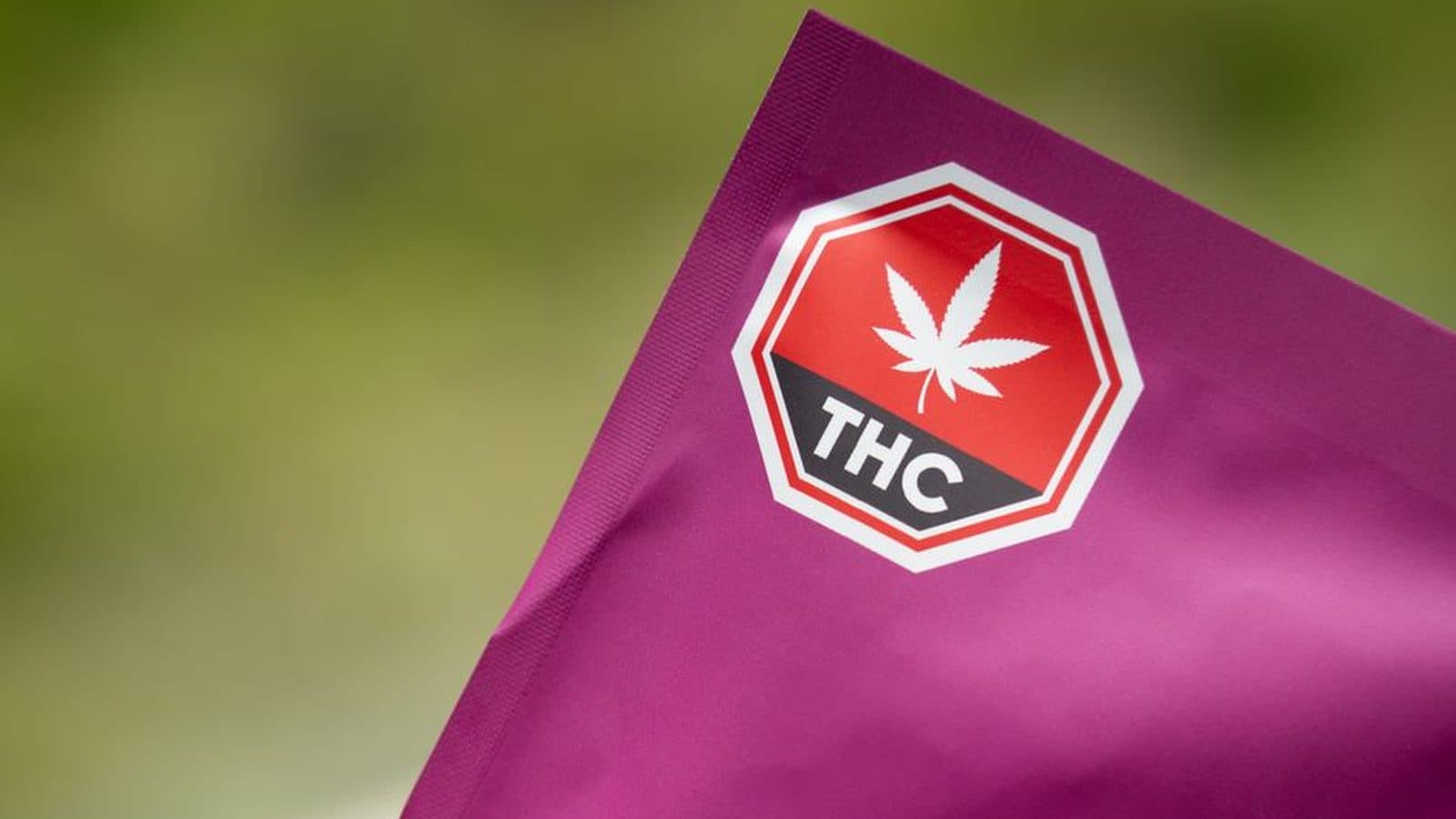
The label is the one place where two packages can be compared on the same terms. Under Minn. Stat. 342.63, a flower label must show the grower's name and license number, the net weight, the batch number and the cannabinoid profile, along with the universal symbol and a verification of testing. Labels on cannabinoid products such as edibles and vapes must also show the product type, the serving size, the ingredients, and the cannabinoid amount per serving and in total.
Net weight and total cannabinoid amount
A package with more net weight, or more total cannabinoids, is simply more product. A larger number on the label can explain a higher price before anything else comes into play. When you compare two packages, divide by what is actually inside: grams for flower, milligrams for products measured in milligrams. If you want a walk-through of each line, see our guide on how to read a Minnesota cannabis label.
Serving size is not package size
For edibles and similar products, the label lists a serving size and a total. Two packages with the same total can be split into a different number of servings. Read both numbers so you are comparing like with like.
Format and processing make them different products
Flower, vapes, edibles and concentrates are not the same kind of good. Each starts from plant material, but each takes different steps to reach the shelf, uses different ingredients, and is measured differently: by weight, by milligrams, or by serving. A product that needs more processing, or more added ingredients, involves more work and more inputs than one sold as plant material.
That describes how products are made. It isn't a ranking. The state's own medical-program price study, which covers 2016 to 2019 and a different program from adult-use retail, records one manufacturer saying that it set prices from several factors, including cannabinoid content, the cost to produce, customer demand and its supply capacity. The report is dated, so treat it as an illustration of the inputs, not a current benchmark. And a different format is a different product, not a better or stronger one.
Every batch is tested first
Minnesota does not let a business sell or transfer a covered product until a representative sample of the batch has been tested. Minn. Stat. 342.61 says testing covers residual solvents, foreign material, microbiological contaminants, heavy metals, pesticide residue and mycotoxins, plus potency and homogeneity, so the product can be labeled accurately with its cannabinoid profile. A batch can be sold only after a certification is issued for a sample that meets the standards. A batch that fails is subject to destruction, remediation or retesting. Results are kept for five years, and the public can request them in plain language.
All of that sits between the producer and the shelf, and every step takes time and work. Reporting from MPR News in March 2026 described testing as "the biggest holdup in the supply chain," with one producer's first samples taking nearly six weeks to clear and a cultivator holding 120 pounds of flower for eight weeks while waiting on one of the state's two labs. You can read it in MPR's coverage of the first craft products.
Here is what we don't know. None of our sources gives a cost per test, so we cannot say how much testing adds to any one price. What the sources support is narrower: testing is required, it is a real step, and it can be slow. To see what a batch number points to, read what a batch number means, or look at the store's lab results page.
Who made it, and how much of it
The producer is on the label too. Growers, manufacturers and smaller licensed businesses all supply Minnesota shelves. The same MPR story reports that Loon Labs, a microbusiness in Isanti, sent 7,000 vapes to eight Twin Cities dispensaries, described as the first independently manufactured cannabis product in the adult-use market. The state's cannabis office director said in February 2026 that a small craft market was starting to take shape.
Different producers run at different scales and make their own pricing decisions, so the producer name and batch size can be part of why two packages differ. The reporting doesn't say which way that pushes a price, and neither will we.
What the register adds
Part of the gap between a menu and your total is tax. The Minnesota Department of Revenue states that sales of taxable cannabis products are subject to a 15% gross receipts tax, that the 6.875% state sales tax applies on top of it, and that any local sales tax depends on where the sale takes place. Because the rate depends on location, two stores in different places can produce different totals for the same menu price.
The Revenue page does not say how a store must show tax on a menu or a receipt, so ask the staff how their prices are displayed before you compare totals. Payment has its own rules too; see how payment works at a Minnesota dispensary.
Comparing two packages
When two prices puzzle you, work through the label in this order:
- Are they the same format? Compare flower with flower and a vape with a vape.
- What is the net weight, and what is the total cannabinoid amount?
- For edibles, what are the serving size and the number of servings?
- Who is the producer, and what is the batch number?
- Is the tax included in the displayed price, or added at checkout?
The staff can answer questions about what is on the label and how the store works. They can't promise how a product will affect you, and they won't give medical guidance. For more on that line, see what to ask a budtender.
The takeaway
A price difference usually traces back to things you can read or look up: what is in the package, how it was made, whether the batch was tested and certified, who produced it, and the tax added at the register. It does not tell you that one product will perform differently from another. Use the label, and ask when something is unclear.
Frequently Asked Questions
Does a higher price mean a stronger or better product?
No. The label shows the cannabinoid profile and the net weight, and that is what you can compare. Price alone does not describe a product, and a budtender cannot promise any outcome.
Is the 15% cannabis tax already in the shelf price?
The Department of Revenue says taxable cannabis products are subject to a 15% gross receipts tax, with the 6.875% state sales tax applied on top and any local sales tax added by location. How a menu displays prices is up to the store, so ask whether tax is included.
Why does testing matter for what I pay?
Under Minn. Stat. 342.61, each batch must be sampled and certified before it is sold. That is a required step between producer and shelf. We have no cost-per-test figure, so we cannot say how much it adds to any one price.
How can I compare two packages fairly?
Use the label: net weight, serving size and total cannabinoid amount. Compare the same format with the same format, because flower, vapes and edibles are made and measured differently.
For adults 21 and older only. Cannabis products have not been analyzed or approved by the FDA and are not intended to diagnose, treat, cure, or prevent any disease. Keep out of reach of children. Do not operate a vehicle or machinery after use. This article is general information about products sold in Minnesota, not medical advice; talk to a licensed clinician about your health.
About the author
Brittney
Brittney writes the 5D Dispensary guides on Minnesota cannabis rules, labels and lab testing, from the store in East Bethel, MN.