What a Batch Number Means on a Minnesota Cannabis Label
Every cannabis package sold in Minnesota carries a short alphanumeric code that looks like inventory shorthand. It isn't. That code is the batch number — one of the few label details with actual legal weight behind it. Minnesota law requires it, ties it to a specific lab test, and uses it to run a recall if one is ever needed.
Here's what it is, why it's on your package, and what it connects to behind the scenes.
Where to Find the Batch Number on Your Package
Required by law, not a courtesy
Minnesota law requires the batch number to appear on the label of every cannabis product sold in the state. Minn. Stat. 342.63 sets separate requirements for cannabis flower and hemp plant parts (subdivision 2) and for cannabis products and lower-potency hemp edibles (subdivision 3). Both require the batch number on the label, alongside verification that the product was tested under the state's testing statute.
It sits next to the other required label elements: the cannabinoid profile, net weight, the cultivator or manufacturer's license information, usage guidance, required warning symbols, serving size information, and the statement to keep the product out of reach of children.
What it looks like
The batch number is an alphanumeric identifier assigned by the producer or processor. It isn't a marketing code, and it isn't the same as a barcode or product SKU. It identifies one specific production run — the batch a product actually came from.
How a Batch Gets Tested Before It's Sold
Representative sampling
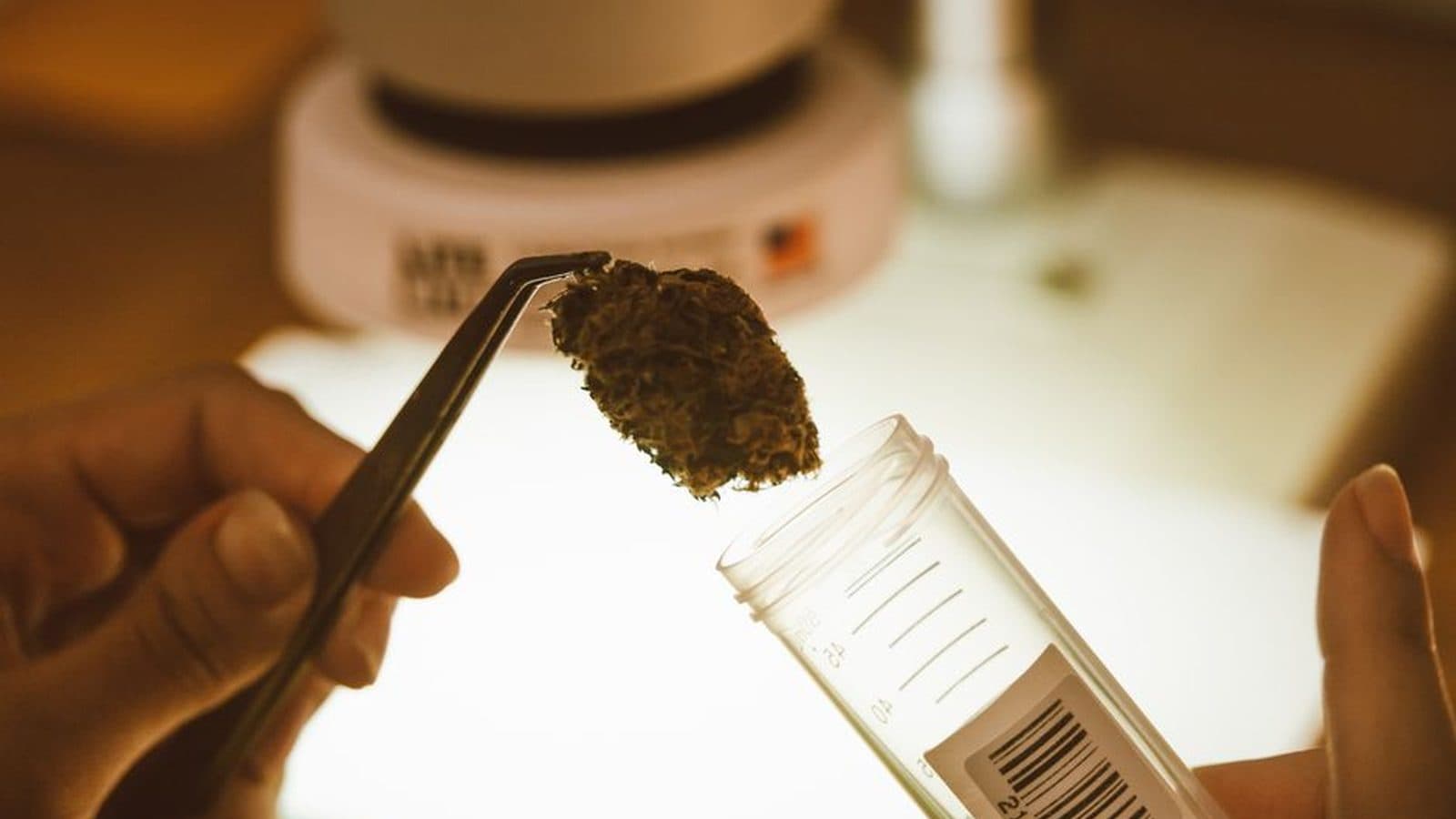
A batch number exists because Minnesota law requires testing before sale. Under Minn. Stat. 342.61, a cannabis or hemp business can't sell or transfer cannabis flower, cannabis products, artificially derived cannabinoids, lower-potency hemp edibles, or hemp-derived consumer products until a representative sample of that specific batch has been tested. The business selects one or more representative samples from each batch and tests them for contaminants, potency, and homogeneity. Testing screens for residual solvents, foreign material, microbiological contaminants, heavy metals, pesticide residue, mycotoxins, and any additional substances the business discloses.
Pass or fail, by batch
The result applies to the whole batch, not just the sample pulled from it. A passing sample triggers a certification from the testing facility — that's what clears the entire batch for sale. A failing sample doesn't mean a partial pass. The whole batch goes to destruction, remediation, or retesting before any of it reaches a shelf. This is the same process covered in more detail in how cannabis is lab tested in Minnesota, and the document it produces is the certificate of analysis for that batch.
What the Batch Number Connects To
The statewide monitoring system
Minnesota runs a statewide seed-to-sale monitoring system that tracks cannabis plants and products from planting through final sale. Under Minnesota Rule 9810.1400, cannabis businesses must enter manufacturing and batch information into that system. The batch number on your label is the identifier the system assigned to that product — the same number a regulator, or the business itself, would use to pull up its full history.
Why batches can't mix
The same rule requires businesses to store regulated products so there's no mixing between batch numbers or between different product types. That storage rule keeps the link between a package and its test result exact. If batches mixed on a shelf or in a storage room, the batch number on a label would stop meaning anything.
The paper trail
Put together, the batch number is a pointer. It connects the package in your hand to a specific representative sample, a specific test result, and a specific entry in the state's tracking system. Want to compare what's printed on two different packages? See how to compare two cannabis product labels using only what's on the label.
Why the Batch Number Matters for Recalls
Traceback and trace-forward
If a problem turns up with a product already on shelves, the batch number is what makes a targeted recall possible instead of pulling an entire product line. Under Minn. Stat. 342.05, the Office of Cannabis Management can require a license holder to perform a traceback and trace-forward investigation — identifying every affected business, market, and customer tied to a batch — and the license holder must respond to the office's information requests within 24 hours. The office can take over the recall process at any point. For what that looks like from the customer side, see returns, defective products, and recalls.
Record retention
None of this works without records. Testing facilities and businesses must keep test results for at least five years after the date of testing, and make those results available to the public in plain language on request. That retention window is what lets a batch number still mean something months or years after a product was sold.
Frequently Asked Questions
Is the batch number the same as the barcode or the product SKU?
No. The batch number identifies the specific production batch a product came from inside Minnesota's statewide monitoring system. It's tied to a representative sample and a test result under Minn. Stat. 342.61 — not to inventory or pricing data the way a SKU is.
Can I look up a batch number myself?
Licensed businesses must keep test results for at least five years and make them available to the public in plain language on request under Minn. Stat. 342.61. Ask the dispensary for the certificate of analysis tied to the batch number on your package.
What happens if a batch fails testing?
A batch that fails its representative-sample test under Minn. Stat. 342.61 can't be sold. It goes to destruction, remediation, or retesting before any product from that batch reaches a shelf.
The Short Version
The batch number on a Minnesota cannabis label links the package, its test result, and the state's tracking system. It exists only because a representative sample of that exact batch passed testing, and it's the detail that lets a recall find your specific product instead of an entire product line. Next time you're at the counter, ask about it — it's the quickest way to get to the certificate of analysis behind what you're buying.
For adults 21 and older only. Cannabis products have not been analyzed or approved by the FDA and are not intended to diagnose, treat, cure, or prevent any disease. Keep out of reach of children. Do not operate a vehicle or machinery after use. This article is general information about products sold in Minnesota, not medical advice; talk to a licensed clinician about your health.
About the author
Brittney
Brittney writes the 5D Dispensary guides on Minnesota cannabis rules, labels and lab testing, from the store in East Bethel, MN.