What Is Inside a Cannabis Vape Cartridge, and How Minnesota Tests One
Introduction
This article is for adults 21 and older. A cannabis vape cartridge is a sealed object with two sides: the concentrate inside and the hardware around it. Testing rules have to account for both. Here is what a cartridge is, what Minnesota law requires labs to check, what changed for cartridges in 2026, and how to read the paperwork. It describes how products are tested and tracked. It says nothing about what any product does. If you are comparing formats first, start with types of cannabis products.
What is inside a cannabis vape cartridge
Minnesota's tracking system gives the product a plain definition. In the item categories published for Metrc, a cannabis vape cartridge is a pre-filled cannabis concentrate cartridge for inhalation. Hemp-derived vape cartridges are listed as their own separate category.
Two things follow from that. First, the contents are a concentrate, an extract rather than flower. Second, the concentrate is held in a container made of components that are not cannabis at all. That second point matters for testing. More on it below.
The same item categories split each product into two states. A bulk item is not yet in final retail packaging. A packaged item is in final retail packaging with compliant labeling and a predetermined amount, by mass or count. For cartridges, that difference decides which version of the product a lab evaluates for some tests. Every package also carries a tracking record; how Minnesota tracks every cannabis package explains that system.
The statutory test panel
Minn. Stat. 342.61 is the testing section of the cannabis law. It does not mention vapes or cartridges by name. It sets one panel for cannabis flower and cannabis products. The allowable levels set by the Office of Cannabis Management must include:
- residual solvents
- foreign material
- microbiological contaminants
- heavy metals
- pesticide residue
- mycotoxins
The statute adds two more checks. Samples are tested for potency and homogeneity, so the product can be labeled with its cannabinoid profile. And testing must cover any pesticides, fertilizers, solvents, or other foreign materials the licensee discloses, including catalysts used in making artificially derived cannabinoids.
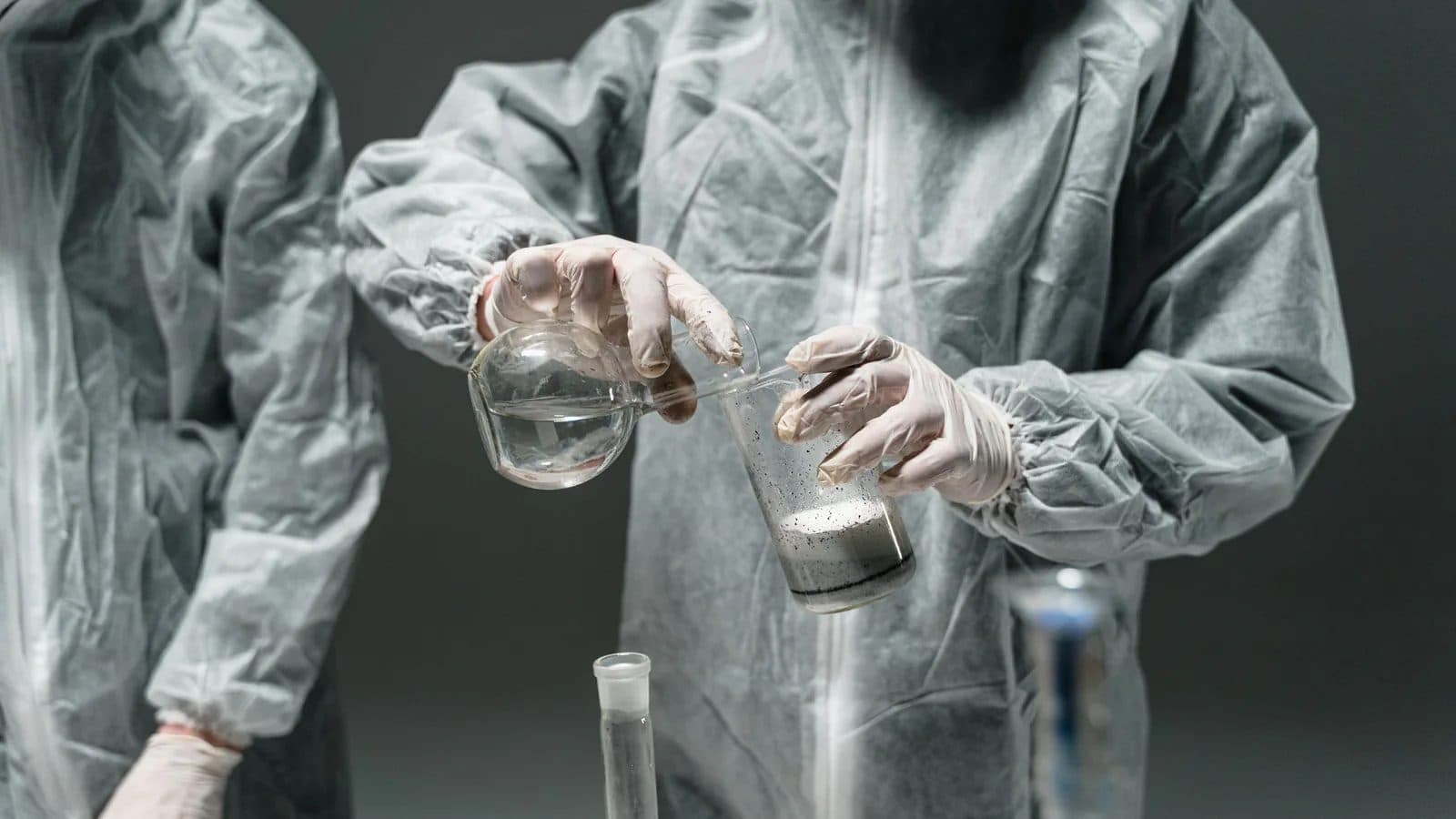
The license holder selects representative samples from each batch. A licensed cannabis testing facility does the testing. The numeric levels live in the Office of Cannabis Management's Cannabis Technical Authority, which the office lists as Version 2.0, updated July 1, 2026. Licensed testing facilities are required to test to the levels in that document, and the requirements apply to all cannabis and hemp products from licensed operators. We do not quote numeric limits here, because the document is the place to read them and it can change.
Why cartridges get a heavy metals check
Most concentrates are tested for the panel above. Cartridges have an extra consideration because the concentrate sits against hardware for the life of the product.
The Metrc item categories spell this out. For vape cartridges, stability must include heavy metals due to the risk of metals leaching from cartridge components. The batch is named "Stability Study T0 (Vape Cartridge)" and covers microbial, heavy metals, and potency. A standard concentrate or extract stability study covers microbial and potency only.
In plain terms, the cartridge study looks at the filled product, not only the concentrate before it goes in. The same categories say that when stability or homogeneity evaluations are required, they must be performed on packaged forms. So the test follows the product into its final packaging.
This article stays with what the published categories say. It doesn't name specific metals, materials, or limits, because those details sit in the technical standards and lab bulletins.
What changed for cartridges in 2026
On April 21, 2026, the Office of Cannabis Management announced changes to the testing requirements for vape cartridges. The office pointed to Lab Bulletin-2026-03, described as the compliance testing requirements for products that will be sold in a vape cartridge, effective May 1, 2026.
The announcement doesn't list the details, so neither do we. If you work in the trade or want the exact requirements, read the lab bulletin on the office's Product Testing page. Rules change, so treat any summary, including this one, as a snapshot. Check the office's pages for the current version before relying on any detail you read here.
Reading the paperwork
Testing only helps if the results can be seen. Under 342.61, licensees must keep test results for at least five years, and the results must be available to the public on request in plain language.
The practical handle is the batch. Each package traces back to a batch, and each batch traces back to a certificate of analysis, often shortened to COA. Our lab results page is where to look for certificates, and what a batch number means on a Minnesota label shows how to match a package to its batch.
A batch that fails is not simply sold. Under the statute, a failed sample, or a disclosed substance the facility cannot test for, sends the batch into the Office of Cannabis Management's procedures, which may include destruction, remediation, or retesting.
Conclusion
A cartridge is concentrate plus hardware. Minnesota's statute sets one test panel for cannabis products, run by licensed labs on representative samples from each batch. For cartridges, the state's item categories add a heavy metals check to stability testing, and the filled, packaged product is what gets evaluated. The detailed limits sit in the Cannabis Technical Authority and the lab bulletins, not in a marketing line. When you want to know what was tested, ask for the batch and read the certificate.
Frequently Asked Questions
Does Minnesota law require cannabis vape cartridges to be tested?
Yes. Minn. Stat. 342.61 requires cannabis products to be tested by a licensed testing facility, and the Office of Cannabis Management's Cannabis Technical Authority sets the levels.
What is a cannabis vape cartridge?
In Minnesota's tracking system it is a pre-filled cannabis concentrate cartridge for inhalation, tracked as either bulk or packaged.
Where can I see test results?
Licensees must keep results for at least five years and make them available in plain language on request. Our lab results page lists certificates of analysis.
What happens if a batch fails testing?
Under 342.61, a failed batch is subject to Office of Cannabis Management procedures, which may include destruction, remediation, or retesting.
For adults 21 and older only. Cannabis products have not been analyzed or approved by the FDA and are not intended to diagnose, treat, cure, or prevent any disease. Keep out of reach of children. Do not operate a vehicle or machinery after use. This article is general information about products sold in Minnesota, not medical advice; talk to a licensed clinician about your health.
About the author
Brittney
Brittney writes the 5D Dispensary guides on Minnesota cannabis rules, labels and lab testing, from the store in East Bethel, MN.