How to Compare Two Cannabis Products Using Only Their Labels
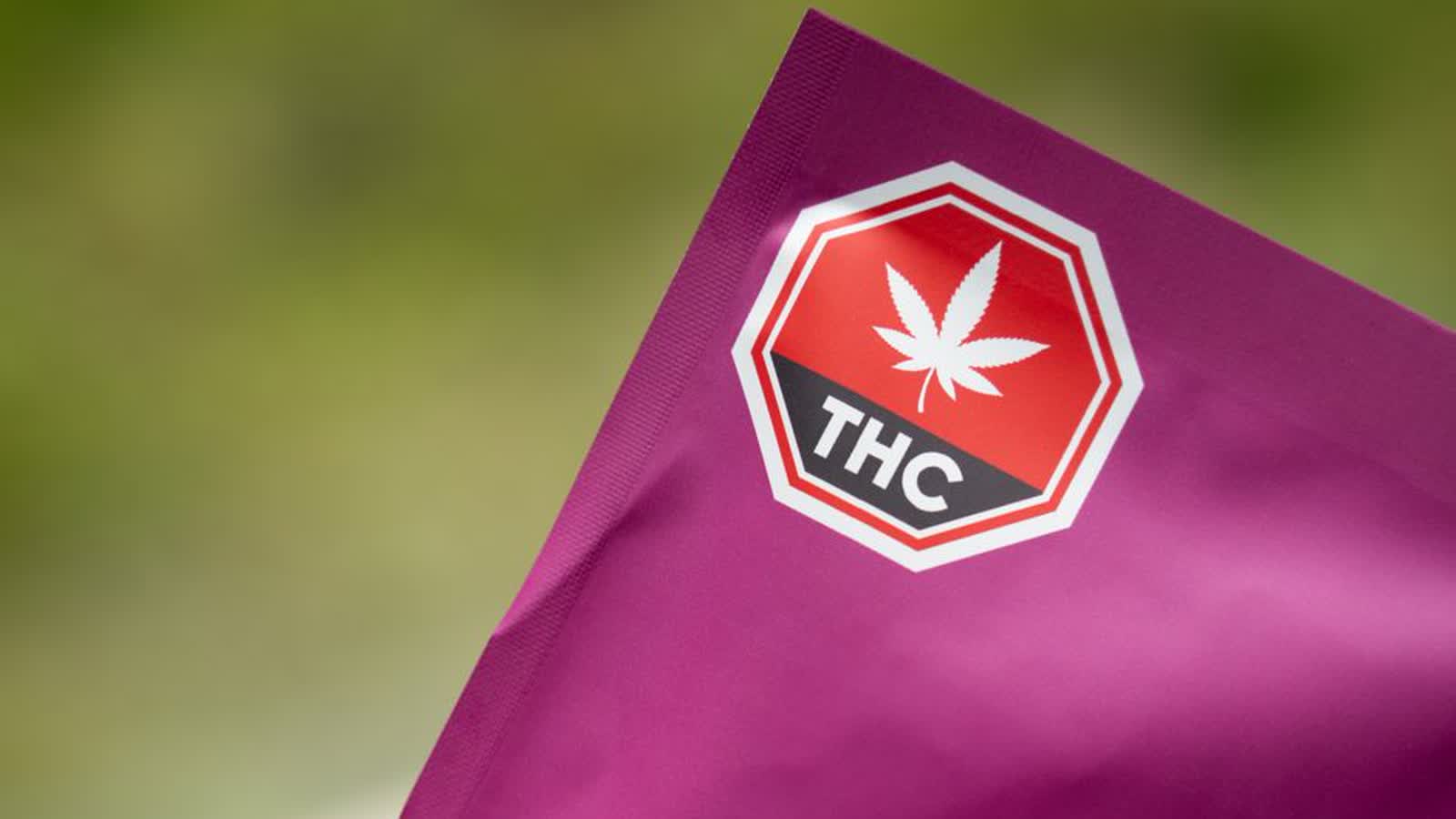
Two products on the same shelf can have labels that look nothing alike. One lists a percentage. The other lists milligrams. The package sizes don't match either. Comparing them by eye doesn't work — but comparing them by label does, once you work through the numbers in the right order.
This builds on how to read a cannabis product label, which covers what each field on a Minnesota label means. Here, the question is narrower: how do you line up two labels side by side? Match the unit first, read the per-serving and per-package numbers, check servings per container, compare cost per milligram, then check the batch and test date.
Match the Unit First: Percentage vs. Milligrams
Cannabis flower and concentrates are labeled by percentage — a number showing what share of the product's dry weight is THC or CBD. Edibles and beverages work differently: they're labeled in milligrams, an absolute amount of THC or CBD in a serving or in the whole package. Two different kinds of numbers. Put them side by side without converting first, and the comparison means nothing.
Minnesota law backs this up by setting different potency ceilings for different product categories rather than one number across the board; see Minnesota's THC potency caps by category for the full breakdown. That's a sign, by itself, that flower, concentrate, edible, and beverage labels aren't built to be read against each other directly. So ask first: are both labels using the same unit? If not, convert to a common basis, or keep the comparison to products of the same type.
Read Total THC and CBD Per Serving and Per Package
Once the units match, line up the fields Minnesota requires on the label itself. Under Minn. Stat. 342.63, a cannabis product label must state the cannabinoid profile per serving and in total, the serving size, the net weight, and the ingredient list. Those fields exist so two products can be compared on paper, no guesswork required.
For edible adult-use cannabis products, Minn. Stat. 342.27 caps THC at 10 milligrams per serving and 200 milligrams per package. Beverages are capped at 10 milligrams of THC per serving, with no more than two servings in a single container. Every compliant edible or beverage label is working within that same legal range; what varies from product to product is where within that range the label actually lands. For a walk-through of what THC, THCA, and CBD each represent as separate numbers on the label, see what the three label numbers actually mean.
Check Servings Per Container Before You Compare Totals
The per-package total and the per-serving amount aren't the same comparison, and mixing them up is the most common way to misread two labels. Minnesota's packaging and labeling rule requires ingestible-product labels to show both figures separately: milligrams per serving and milligrams per package. Two products can share the same per-serving number and still land on very different package totals if one has more servings than the other.
Work through it in order. First, confirm the per-serving numbers are comparable. Then check how many servings each package contains. Only after that, compare package totals. Concentrates and topical products carry their own distinct label fields — concentrate potency is measured in grams per serving rather than milligrams, and topical labels carry a use-restriction statement instead of a serving-size claim. A comparison that stays within one product category, two edibles, or two flower products, or two concentrates, holds up better than one that crosses categories.
Compare Cost Per Milligram Once the Units Match
With both labels expressed in the same unit, price becomes simple arithmetic: package price divided by total package milligrams (or by weight, for flower and concentrate) gives a cost-per-unit figure you can set side by side. That's a comparison of two printed numbers on two labels — not a judgment about which product is the right choice for any particular person or purpose. That depends on factors no label can capture.
Check the Batch Number and Test Date
The last field worth checking is the one that's easy to skip: the batch number. Minn. Stat. 342.63 requires the label to include the batch number and a verification that the product was tested to the required standards. That batch number ties the specific package in your hand to a specific lab report, described in full in Certificate of Analysis, explained.
Two products can carry identical potency numbers on the front of the label and still differ in how recently that batch was tested. If a product's testing date or batch number is missing, or hard to find, notice that before comparing anything else about it.
Frequently Asked Questions
Can I compare a flower product's THC percentage directly to an edible's milligram number?
Not directly. Percentage describes the share of the flower's dry weight that is THC, while milligrams describe an absolute amount in a serving or package. Convert one to the other before comparing, or compare within the same product type.
Does a higher total package THC number always mean a stronger single dose?
No. Total package THC divided across more servings can mean a lower per-serving dose than a smaller package with fewer, larger servings. Check the per-serving figure and the servings-per-container count, not just the package total.
What does the batch number on a label tell me?
It links the specific package to the lab test results filed for that production run. Two products with identical potency numbers can still differ in test recency; the batch number and test date are how you check that, not the potency number alone.
The Bottom Line
Comparing two cannabis products by their labels comes down to five measurable steps: match the unit, read the per-serving and per-package THC/CBD numbers, check servings per container, compare cost per milligram, and check the batch number and test date. None of it requires knowing how a product will make anyone feel — every figure is printed and verifiable. Questions about which product fits a person's health circumstances aren't something a label can answer; those belong with a licensed clinician.
For adults 21 and older only. Cannabis products have not been analyzed or approved by the FDA and are not intended to diagnose, treat, cure, or prevent any disease. Keep out of reach of children. Do not operate a vehicle or machinery after use. This article is general information about products sold in Minnesota, not medical advice; talk to a licensed clinician about your health.