Cannabis Beverages in Minnesota: How They're Made, Labeled, and Limited
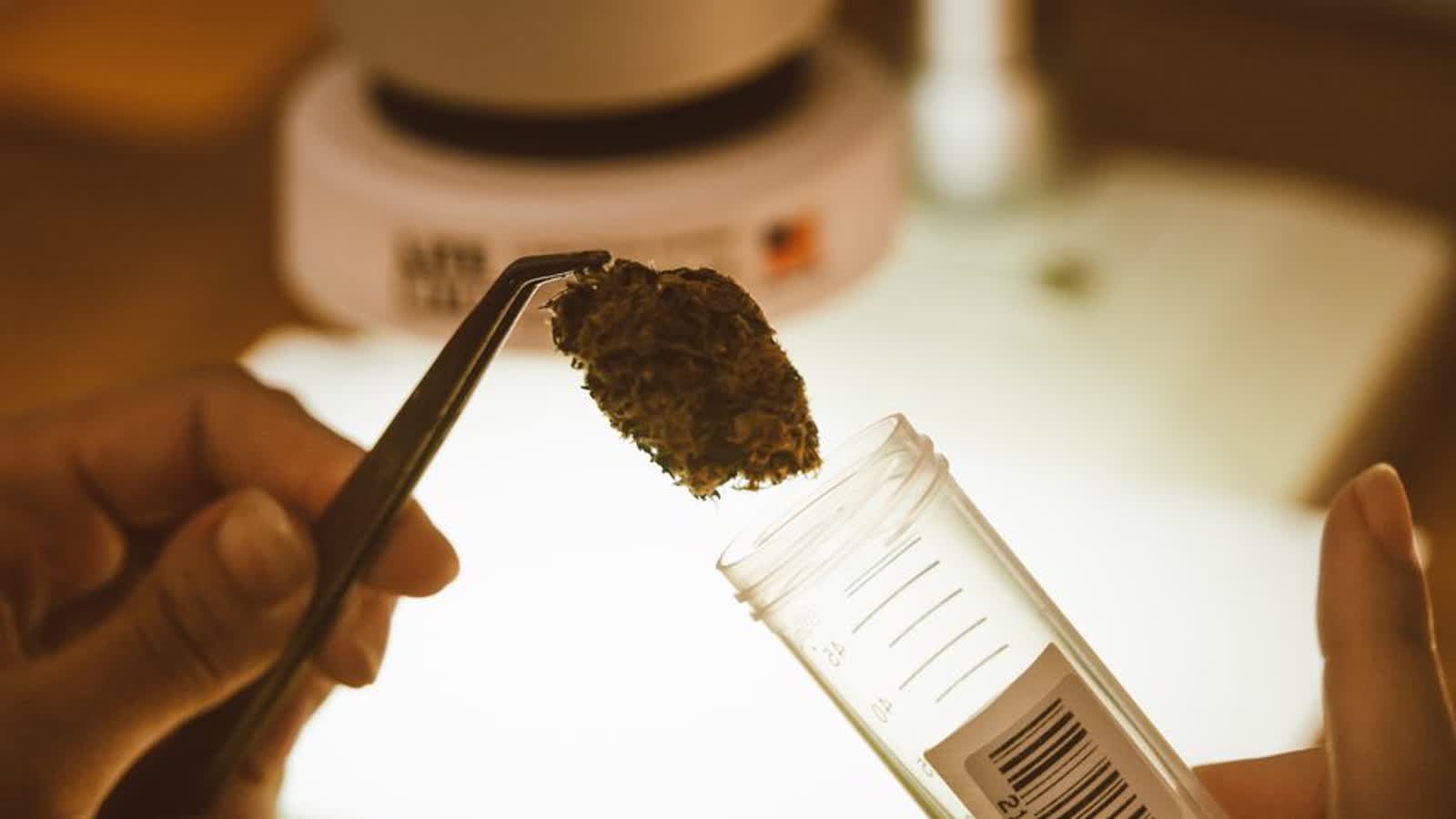
Beverages are one of the fastest-moving categories on Minnesota dispensary shelves. They're regulated as their own thing, separate from flower and separate from edibles. Two different Minnesota laws use the word "beverage," and each sets its own THC ceiling depending on where the drink is sold. Knowing which one applies to what's in front of you starts with understanding how these products are made.
How Cannabis Beverages Are Made
THC is fat-soluble. It doesn't dissolve in water the way sugar or salt does, so getting it into a drink takes one of two processes. The first is emulsion: THC oil is broken into microscopic droplets and suspended evenly throughout the liquid, something like how an oil-and-vinegar dressing gets shaken into a temporary mix, except an emulsified beverage stays mixed. The second is direct infusion, where a cannabis extract or distillate is blended into a syrup, concentrate, or flavoring base before the drink is bottled.
The method a manufacturer picks affects how evenly THC is distributed from the first sip to the last, and how consistent one bottle is against the next from the same batch. That's a manufacturing and quality-control question, not a claim about what the drink will do for you. Every batch, regardless of method, passes the same potency and contaminant testing required of any other regulated cannabis product before it reaches a shelf.
The Adult-Use Dispensary Limit: 10 mg Per Serving
Buying a THC beverage at a licensed dispensary like this one? The relevant rule is Minn. Stat. 342.27, subd. 2(e). It sets a hard ceiling: an adult-use cannabis beverage can't contain more than 10 mg of THC per serving, and a single container can't hold more than two servings. That's meaningfully lower than edibles, which are allowed up to 200 mg of THC total per package under the same statute. Beverages get their own, tighter category.
The label on the bottle or can spells out the serving size and total THC content, the same way you'd read the THC and CBD numbers on any other product label. Since a dispensary beverage tops out at two servings per container, the practical maximum you'll find in one bottle from a licensed retailer is 20 mg of total THC.
How Lower-Potency Hemp Beverages Are Different
Not every THC drink in Minnesota comes from a cannabis dispensary. A separate category, lower-potency hemp edible (LPHE) beverages, falls under Minn. Stat. 342.46 and can be sold more widely, including at some liquor stores, co-ops, and bars, not just licensed cannabis retailers. These beverages are hemp-derived, meaning they have to stay at or under 0.3% THC by dry weight. Per Office of Cannabis Management consumer guidance, they're capped at 10 mg of THC for the entire container, not per serving.
Easy pair of numbers to mix up: a dispensary beverage allows 10 mg per serving across up to two servings, while a hemp beverage allows 10 mg total, period, for the whole container. What separates the two categories is the source of the hemp derivative and where the product can legally be sold, not the drink's flavor or branding. If you're unsure which kind you're holding, the label and the point of sale are the clearest tells. A licensed dispensary sells only the adult-use version.
Labeling a Beverage Container
Every regulated beverage, dispensary or hemp-derived, carries a universal intoxicating-cannabinoid symbol on its label, plus a printed warning statement telling buyers to keep the product away from children and that it may be unlawful outside Minnesota. Buy a case or multipack, and the outer packaging has to separately state how many individual units are inside, the potency of each unit, and how many servings each unit contains, on top of the same universal symbol and warning language.
One rule that tends to surprise people: beverages are exempt from the child-resistant packaging requirement that applies to most other cannabis and hemp edible products. For a full rundown of what does and doesn't have to appear on cannabis packaging in Minnesota, see our guide to Minnesota's packaging requirements.
Where and How Beverages Can Be Served On-Site
Some licensed venues can serve beverages for on-site consumption. There, the label requirement can be met by posting the required information at the point of service instead of printing it on every container, and staff pouring the beverage don't need a separate handler endorsement to do so. A retailer can also bring beverage service to an off-site event, like a festival or private gathering, as long as the organizer holds a liquor license and the event runs four days or fewer.
Frequently Asked Questions
How much THC can a cannabis beverage have in Minnesota?
An adult-use beverage sold at a licensed dispensary may contain up to 10 mg of THC per serving, with no more than two servings per container, under Minn. Stat. 342.27. A lower-potency hemp beverage sold outside a dispensary, such as at a liquor store or co-op, is capped at 10 mg of THC for the entire container and must stay at or under 0.3% hemp-derived THC by dry weight under Minn. Stat. 342.46.
What is the difference between a dispensary THC beverage and a lower-potency hemp beverage?
A dispensary adult-use beverage is sold only at a licensed cannabis retailer and follows the 10 mg-per-serving, two-serving cap in Minn. Stat. 342.27. A lower-potency hemp beverage is hemp-derived, capped at 0.3% THC by dry weight and 10 mg per container, and can be sold more widely, including at some liquor stores, co-ops, and bars, under Minn. Stat. 342.46.
Do cannabis beverages need child-resistant packaging in Minnesota?
No. Beverages are exempt from the child-resistant packaging requirement that applies to most other cannabis and hemp edible products, though they still have to carry the universal intoxicating-cannabinoid symbol and the mandatory warning statement.
What must a beverage label or multipack case show?
Each beverage must display the universal intoxicating-cannabinoid symbol and a warning statement telling buyers to keep the product from children and that it may be unlawful outside Minnesota. A multipack case must also state the number of individual units inside, the potency, and the number of servings per unit.
Conclusion
Beverages have earned their own set of rules in Minnesota because they don't behave like flower or edibles. They're formulated differently, and depending on where they're sold, they fall under one of two distinct THC ceilings. A dispensary beverage tops out at 10 mg per serving across two servings; a hemp-derived beverage sold elsewhere tops out at 10 mg for the whole container. Both categories share labeling rules but not the same potency math, so the label is always the fastest way to know exactly what's in your hand. Rules in this space keep getting refined as the Office of Cannabis Management issues new guidance, and a licensed Minnesota retailer is required to keep its labeling and packaging current with whatever's newest.
For adults 21 and older only. Cannabis products have not been analyzed or approved by the FDA and are not intended to diagnose, treat, cure, or prevent any disease. Keep out of reach of children. Do not operate a vehicle or machinery after use. This article is general information about products sold in Minnesota, not medical advice; talk to a licensed clinician about your health.