What Are Cannabis Concentrates? Extraction Categories and Testing in Minnesota
Concentrate Is Its Own Category, Not Just Strong Flower
A shelf label that reads "live resin," "rosin," or "distillate" is describing how a product was made, not how strong it is. Under Minnesota law, cannabis concentrate is a defined product category with its own possession limit and its own testing requirements, separate from flower and edibles. Minn. Stat. 342.09, subd. 1 lays it out plainly: an adult 21 or older may possess two pounds or less of cannabis flower in their private residence, but only eight grams or less of cannabis concentrate for possession or transport. Different category, different number.
This article covers what actually defines a concentrate, the four extraction categories Minnesota recognizes, how those categories map to the terms you'll see at the counter, what gets tested before a batch can be sold, and the possession limit that applies to all of it.
What Counts as a Cannabis Concentrate Under Minnesota Law
A concentrate is cannabinoids extracted from plant material rather than sold as raw flower. That extraction step is what separates it, legally, from flower. It also changes how much cannabinoid content ends up packed into a given weight, which is part of why the state sets a lower possession threshold for it.
Under Minn. Stat. 342.09, subd. 1(a), flower, concentrate, and edible products each carry their own separate limit. Concentrate's limit is eight grams, for possession or transport, by an adult 21 or older. That number exists because concentrate is its own regulatory category, with manufacturing, testing, and labeling rules layered on top of the possession rule.
The Four Extraction Method Categories
Minnesota rule doesn't leave "extraction method" undefined. Minn. Rule 4770.0200, subp. 26b sorts cannabis concentrate by the process used to pull cannabinoids out of the plant material: water-based, solvent-based, heat-based, or pressure-based extraction. Every concentrate product on a Minnesota shelf falls into one of those four categories, whatever marketing term happens to be on the label.
The state also regulates who can use these methods, and it requires disclosure of exactly which one is in play. Under Minn. Stat. 342.28, subd. 3(3), a business applying for an extraction and concentration endorsement has to identify every method of extraction, concentration, or conversion it intends to use, along with any volatile chemicals or catalysts involved. No one may use a volatile solvent to extract cannabis or hemp concentrate without the correct license and endorsement. That extraction has to happen in an enclosed, locked space used exclusively for cannabis product manufacturing, on equipment reserved for that purpose.
How the Categories Show Up as Concentrate Types on the Shelf
The four regulatory categories translate into the product terms you'll actually see at the counter. Solvent-based extraction uses a chemical solvent to draw cannabinoids and terpenes out of the plant material — this is the category behind concentrates made with a hydrocarbon or CO2 process. Pressure-based extraction is mechanical: ice water, filtration, heat, and pressure separate the plant material with no chemical solvent involved. Heat-based methods often come in as a refinement step after an initial extraction, narrowing a product down to a more concentrated, consistent cannabinoid profile.
None of that changes what's on the label. Whatever the extraction category, the numbers that matter for comparing products are the ones backed by a certificate: the label's THC, THCA, and CBD numbers tell you the measured cannabinoid content of the specific batch in front of you.
Residual Solvent and Contaminant Testing
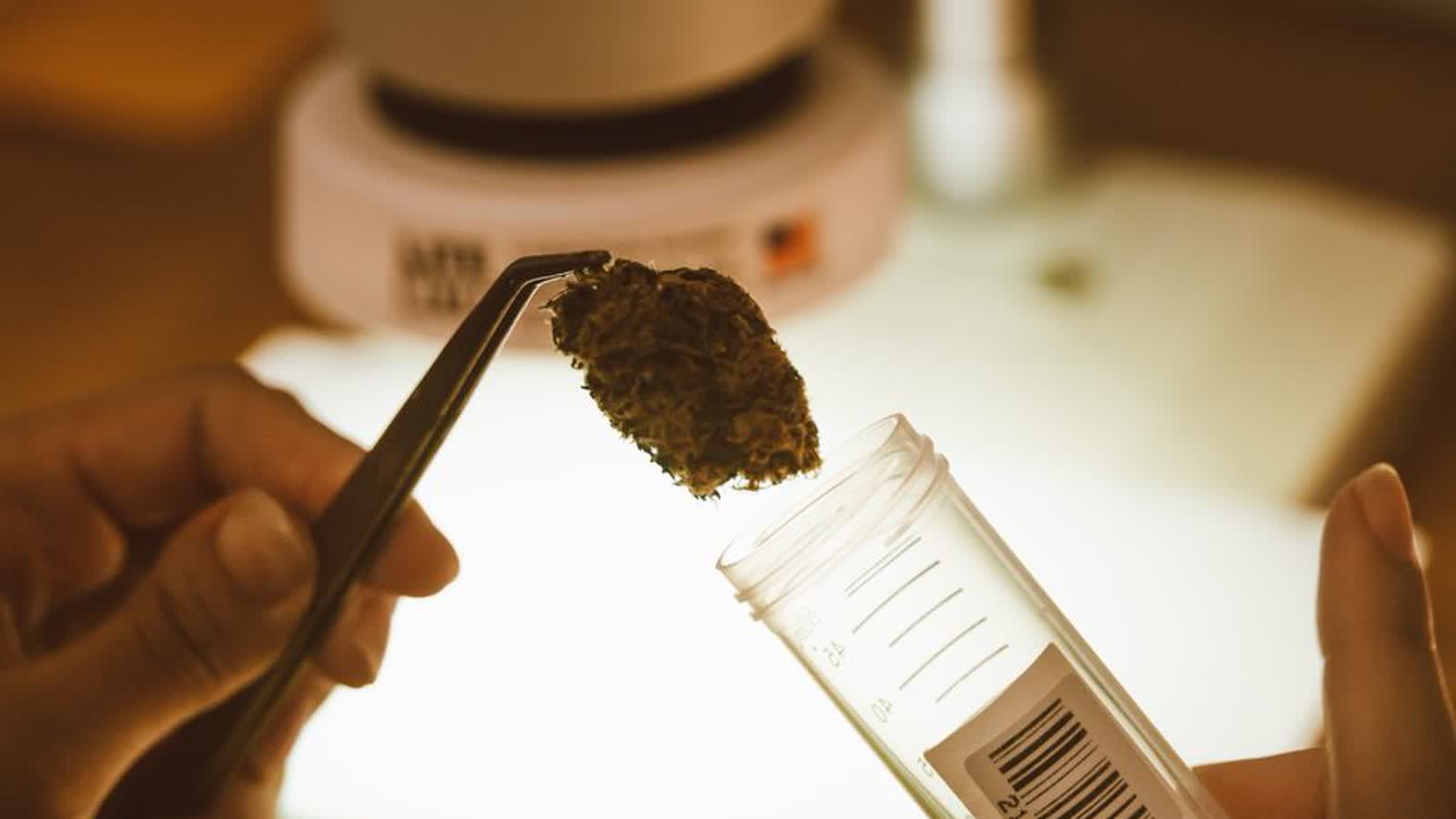
Before any concentrate batch reaches a Minnesota shelf, a representative sample of that batch has to be tested and has to meet the standards the Office of Cannabis Management sets. Minn. Stat. 342.61 requires testing for residual solvents, foreign material, microbiological contaminants, heavy metals, pesticide residue, and mycotoxins. Businesses also have to disclose any solvents, pesticides, or other materials applied during production. The requirement applies across flower, concentrate, and the other product categories the statute covers.
Test results aren't a one-time formality, either. Businesses keep them on file for at least five years and make them available for review by any member of the public on request. The label carries that paper trail forward: Minn. Stat. 342.63, subd. 3 requires the label to state that the product was tested under section 342.61 and complies with applicable standards, alongside the manufacturer's name and license number, batch number, and full cannabinoid profile.
For a fuller picture of what a testing panel actually screens for, and how to read the paperwork behind it, see how cannabis is lab tested in Minnesota and certificate of analysis, explained.
Possession Limits for Concentrate
The number to remember is eight. Adults 21 and older may possess or transport eight grams or less of adult-use cannabis concentrate under Minn. Stat. 342.09, subd. 1(a)(4). That limit is separate from, and much lower than, the two-pound flower allowance, and it applies the same way across possession, transport, and gifting.
Frequently Asked Questions
What is the difference between a cannabis concentrate and cannabis flower under Minnesota law?
Minnesota treats them as separate product categories with separate possession limits. An adult 21 or older may possess two pounds or less of cannabis flower in their private residence, but only eight grams or less of cannabis concentrate for possession or transport, under Minn. Stat. 342.09, subd. 1. Concentrate is defined by how it was produced — extracting cannabinoids from plant material — rather than by being sold as raw flower.
What extraction methods are used to make cannabis concentrates?
Minnesota rule groups concentrate production into four categories: water-based, solvent-based, heat-based, and pressure-based extraction (Minn. Rule 4770.0200, subp. 26b). Licensed manufacturers must disclose to the state which of these methods, and which volatile chemicals or catalysts if any, they use for each product line under Minn. Stat. 342.28, subd. 3(3).
How is residual solvent tested in Minnesota cannabis concentrates?
Before any batch can be sold, a representative sample must be tested and meet standards the Office of Cannabis Management sets for residual solvents, heavy metals, pesticide residue, mycotoxins, and other contaminants, under Minn. Stat. 342.61. Businesses keep results on file for five years and must make them available to the public on request; the product label must state that the batch passed this testing.
How much cannabis concentrate can I legally possess in Minnesota?
Eight grams or less, for adults 21 and older, under Minn. Stat. 342.09, subd. 1(a)(4). That limit applies to possession, transport, and gifting, and is separate from the limits set for flower and edible products.
The Short Version
Concentrate is defined by process, not strength. Minnesota sorts it into four extraction categories, requires every batch to pass contaminant testing before it reaches a shelf, and caps adult possession at eight grams. Want to see the testing paperwork behind a specific product? Ask at the counter, or check lab results — every batch has one, and by law, it's public information.
For adults 21 and older only. Cannabis products have not been analyzed or approved by the FDA and are not intended to diagnose, treat, cure, or prevent any disease. Keep out of reach of children. Do not operate a vehicle or machinery after use. This article is general information about products sold in Minnesota, not medical advice; talk to a licensed clinician about your health.