What Are Terpenes in Cannabis? The Chemistry Behind a Terpene Panel
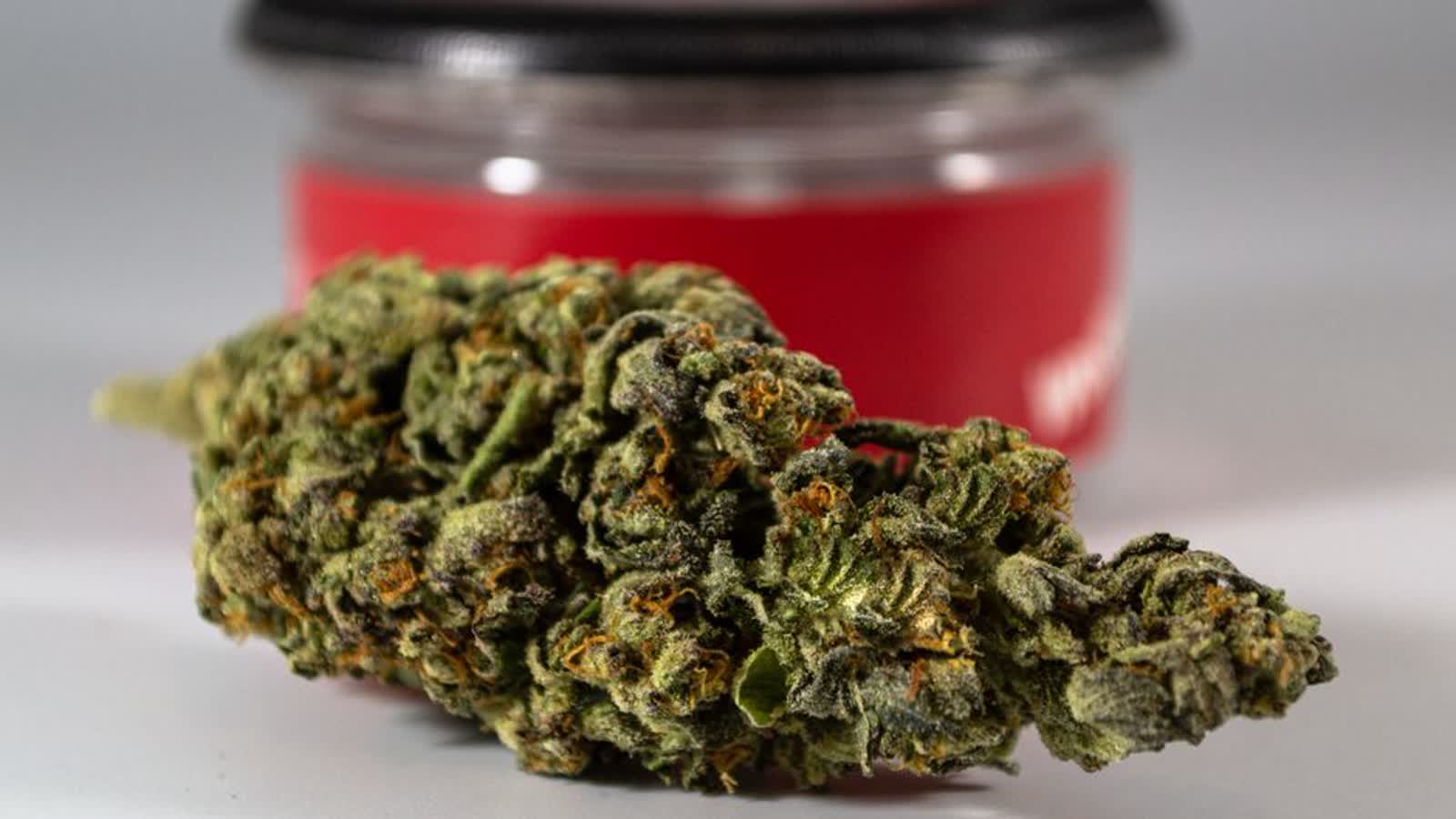
A certificate of analysis lists a "terpene panel" right next to the THC and CBD numbers. Most shoppers skip straight past it on their way to the potency line. Once you know how to read a cannabis product label, though, the terpene section is the part that explains why one flower smells like citrus and another smells like pine. This guide covers what terpenes are chemically, where the same compounds turn up outside cannabis, which ones show up most often on a Minnesota label, and how a lab measures a terpene panel in the first place.
What a Terpene Actually Is, Chemically
A terpene is a hydrocarbon built from repeating five-carbon building blocks called isoprene units. Combine two isoprene units and you get a monoterpene, a 10-carbon molecule. Combine three and you get a sesquiterpene, a 15-carbon molecule. Cannabis produces plenty of both, and the two families behave a little differently: monoterpenes are smaller and more volatile, while sesquiterpenes are larger and evaporate more slowly.
A related term, terpenoid, refers to a terpene that's been chemically modified to include oxygen. Labs and researchers often write "terpenes and terpenoids" together, since a typical cannabis sample contains both the plain hydrocarbon and its oxygenated cousins.
Terpenes Aren't Unique to Cannabis
Terpenes are the main aromatic compounds behind essential oils across the plant kingdom. The same broad chemical family shows up in citrus peel, conifer needles, and many culinary herbs — it's the biosynthetic pathway plants generally use to make volatile, strong-smelling compounds. A lemon rind and a pine branch both smell the way they do because of terpenes, so cannabis flower smelling a certain way for the same underlying reason shouldn't come as a surprise.
Cannabis is unusual mainly in how many of these compounds it produces at once. Researchers have reported more than 200 volatile compounds across cannabis genotypes, with roughly 58 monoterpenes and 38 sesquiterpenes chemically characterized so far. That's a wide chemical vocabulary for one plant, and it's part of why cannabis aroma varies so much from one product to the next — a single flower sample can carry a mix of citrus-leaning, pine-leaning, and earthy-leaning compounds all at once, in different proportions.
The Terpenes You'll See Most Often on a Label
Across cultivar studies, six terpenes come up again and again: alpha-pinene, beta-pinene, myrcene, and limonene (all monoterpenes), plus beta-caryophyllene and alpha-humulene (both sesquiterpenes). Reported concentrations for these six compounds span a wide range — from single-digit micrograms per gram up into the thousands, depending on the plant and the tissue tested. That's why the number on one package's terpene panel can look nothing like the number on another package of a differently named product. These figures sit on the label alongside the potency numbers described in what the THC, THCA, and CBD numbers mean, but they're a separate measurement of a separate set of compounds.
Why do the numbers move around so much? Terpenes are made and stored in glandular trichomes, the small hair-like structures on the flower surface. Concentration in those trichomes shifts with plant part (flower versus leaf), growth stage, cultivar genetics, and growing conditions. A lab reports whatever is present in the batch tested, not a number carried over from the strain's reputation.
How a Lab Actually Measures a Terpene Panel
The standard method is gas chromatography-mass spectrometry, or GC-MS. A validated method extracts ground flower with a solvent, injects the extract into the instrument, and identifies each compound by comparing it against a spectral library and a retention-time index. A single validated run can quantify dozens of individual terpenes, and the lab documents detection limits and calibration accuracy for each one — the same kind of rigor Minnesota labs apply to the potency and contaminant tests covered in how cannabis is lab tested in Minnesota. That documented accuracy is what backs up the number printed on a certificate of analysis.
Two products with different terpene panels went through the same style of testing to get there; the panel is simply reporting what that batch's chromatogram showed. Curious what a completed panel looks like next to the potency results? Our lab results page shows the certificates for products currently on the shelf, so you can compare the terpene section to the numbers described here before you buy.
Terpene Volatility and What It Means for Storage
Terpenes are volatile. They evaporate readily at room temperature, and heat speeds that up. Testing methods have to work around this: researchers found that headspace sampling above roughly 120°C degrades the most volatile early-eluting terpenes before they can even be measured. The practical takeaway for a shopper is the same one that applies in the lab — a sealed, cool, dark container preserves both the terpene profile and the aroma longer than a loose or warm one.
Frequently Asked Questions
Are terpenes the same thing as cannabinoids like THC and CBD?
No. Cannabinoids and terpenes are different chemical families made by the plant's trichomes. Cannabinoids are reported on a label as percentages of dry weight; terpenes are a separate line item, usually a total terpene percentage plus a breakdown of the individual compounds a lab detected.
Why do two packages of the same product show different terpene numbers?
Terpene content depends on the plant's genetics, growing conditions, harvest timing, and how the flower was dried, cured, and stored, so it varies batch to batch even under the same product name. A lab measures what's in that batch rather than assuming a number from an earlier test.
What is the difference between a monoterpene and a sesquiterpene?
Both are built from repeating five-carbon isoprene units. A monoterpene, such as pinene, myrcene, or limonene, is made of two isoprene units and ten carbon atoms. A sesquiterpene, such as caryophyllene or humulene, is made of three isoprene units and fifteen carbon atoms. The extra size makes sesquiterpenes somewhat less volatile than monoterpenes.
Does a terpene percentage on a label mean anything about potency?
No — the two are measured and reported separately. THC and CBD percentages describe cannabinoid content; the terpene panel describes a different set of aromatic compounds. A high terpene percentage doesn't indicate a higher or lower THC percentage.
Conclusion
Terpenes are a well-defined, measurable class of plant chemicals, not a mystery ingredient hiding in the fine print. They're built from the same isoprene chemistry found across the plant kingdom, and they show up on a Minnesota label as documented, lab-verified numbers. Now you know what those numbers represent. Next time a certificate of analysis lists a terpene panel, you'll know exactly what compounds are being counted and how the lab arrived at that figure.
For adults 21 and older only. Cannabis products have not been analyzed or approved by the FDA and are not intended to diagnose, treat, cure, or prevent any disease. Keep out of reach of children. Do not operate a vehicle or machinery after use. This article is general information about products sold in Minnesota, not medical advice; talk to a licensed clinician about your health.